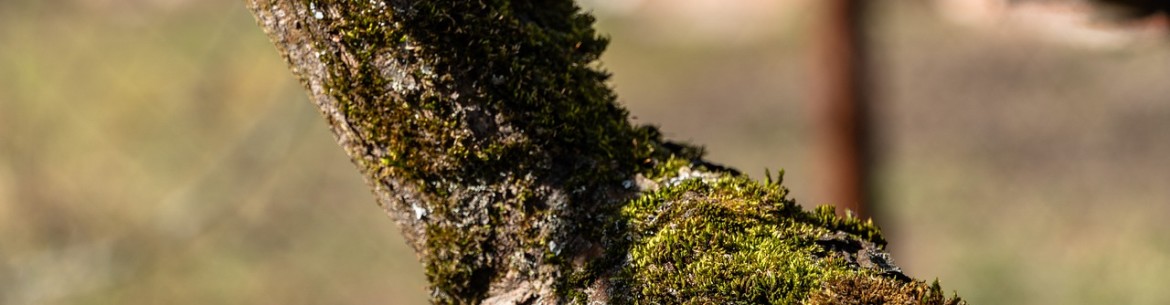
Moss on an apple tree: how to get rid of it yourself
Mosses are spore-bearing plants without roots or flowers. They are found on all continents, forming dense clumps and colonies on various substrates, including apple trees. Moss-covered branches eventually stop growing, bloom less, and gradually die, so gardeners take various measures to combat these unwanted "invaders."
Content
Green and yellow moss: main causes and first signs of appearance
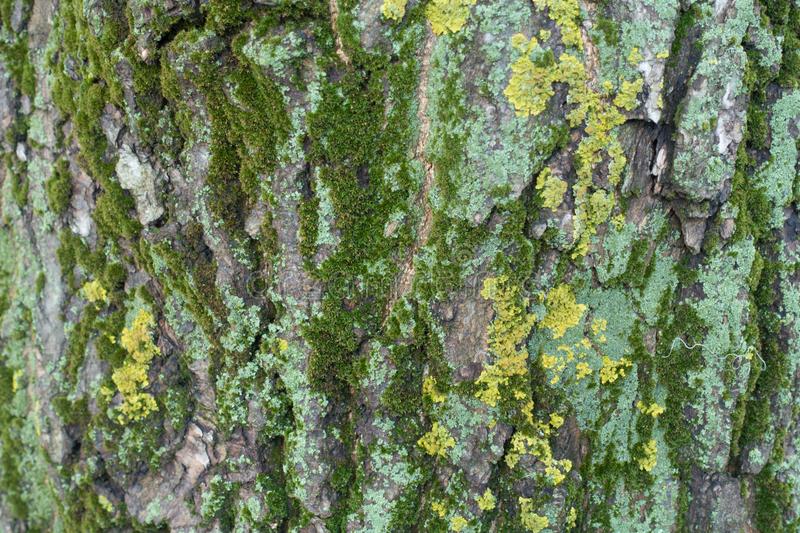
Mosses vary greatly depending on the species—in their external and internal structure, coloration, and life cycle. However, the main cause of mossy growth on trees is most often excessive moisture, especially in dense canopies with poor ventilation between branches.
Moss growth on apple trees is facilitated by insufficient crown ventilation due to dense branches and plantings, proximity to water bodies, forests, and wild trees. Moss spores easily colonize weakened branches with cracks, and diseased and frozen trees.
Don't confuse mosses and lichens! Lichens are symbiotic organisms that combine primitive algae and microscopic mushrooms.
How to distinguish mosses from lichens
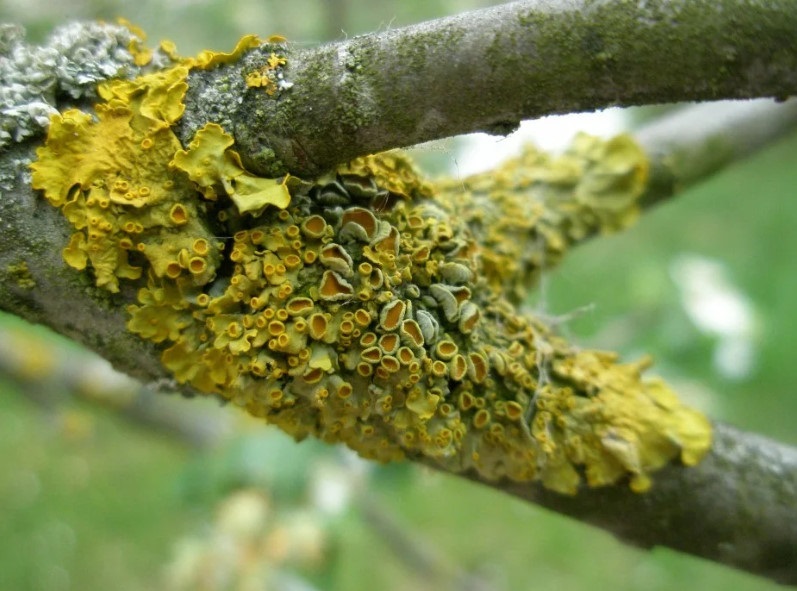
Lichens are more ancient organisms than mosses and less advanced from an evolutionary perspective. Mosses are fully fledged higher plants, while lichens are taxonomically classified in the kingdom Fungi.
Lichens differ in appearance from mosses depending on the species. The main difference with most lichens is that they are virtually impossible to remove from trees without damaging the bark, as they literally grow into the substrate.
Mosses, on the other hand, are quite easily removed from the surface of wood. Crustose lichens also differ in structure, appearing as a thick crust or coating, while foliose lichens are crusts or plates with edges torn from the substrate. Mosses and fruticose lichens are most similar—they are raised, like a complex bush.
Methods of control
Mosses themselves pose little threat to trees, as they lack a root system and don't draw nutrients. However, moss colonies provide an excellent breeding ground for bacteria and insects due to their moisture retention and long lifespan. To reduce the harmful effects of mosses, gardeners resort to various control methods, both chemical and natural.
To effectively eliminate moss from an apple tree, it is necessary to use various preparations, as none of them have complete properties for destroying spores and moss bodies.
Moss removal from trees is carried out at least twice a year: in early spring before budding and in late autumn after the last harvest. Leaves are burned before the fall treatment, as is the collected moss.
It is forbidden to treat an apple tree after the buds have opened, otherwise the plant may die completely.
Chemicals
 Chemicals help combat not only the moss itself but also the highly resilient spores. Glyphosphate-based herbicides (Lintur, Roundup) are the most commonly used. The affected area should be treated according to the instructions, but extreme caution must be taken to avoid damaging the apple tree itself.
Another chemical solution that can be used is a simple solution of potassium permanganate (0.5 g per 1 liter of boiled water). The resulting solution is used to treat areas after removing mossy colonies.
Without cleaning the surface, you can use iron or copper sulfateA solution of ferrous sulfate is prepared at a rate of 20 g per 1 liter of boiled, cooled water. The working solution is placed in a spray bottle and sprayed vigorously onto moss-growing areas. After treatment, the branches and trunk are thoroughly wiped with burlap, and the soil around the tree trunk is also treated. Copper sulfate is more dangerous; for the working solution, use 5 g of dry matter per 1 liter of water. Treatment is more targeted to avoid damaging the bark of the apple trees.
Among pharmaceutical products, farmers recommend the drug "Skor." It quickly penetrates moss cells without affecting the tree itself, and activates the photosynthesis mechanism within them.
Folk remedies for moss control
The simplest folk method is to remove moss from trunks and branches using a wooden spatula or a wire brush. After removing the moss, it's advisable to treat the moss growth areas with potassium permanganate, and seal any cracks and wounds. garden pitch.
Despite popular belief, moss is not afraid of heat and even despite external drying out, when the moss leaves are filled with water after rain or glaze will provoke new growth.
Some gardeners use a mixture of wood ash and laundry soap. For every 10 liters of water, use two bars of 75% soap and 2 kg of wood ash. Heat the mixture on the stove, bring to a boil, stir thoroughly, and let it cool. Strain the cooled mixture, and apply the liquid to the areas after moss removal.
Collected moss must be destroyed, as there is a high risk of spores appearing and being dispersed throughout the area.
To stop sporulation and new moss growth, use a mixture of slaked lime, wood glue, and salt. For every 1 kg of lime, mix 20 kg of wood glue, 1.5 kg of table salt (non-iodized), and 5 liters of water. Apply the resulting mixture to the affected areas after cleaning the trunk and branches. whitewash forms a film that holds the lime in place and prevents spores from developing.
Prevention
Preventing moss from appearing on apple trees is fairly simple. Maintaining the trees' good health is essential. Regularly thin the crown to prevent overcrowding and airflow issues. Regularly loosen the soil around the tree trunks to avoid waterlogging. Drainage should be provided around apple trees with high groundwater levels.
If at least one damaged tree appears in the plantings, as a preventative measure, it is necessary to treat all the trees in the garden with a solution of soap and ash.
When planning a garden, good preventative measures include maintaining the distance between trees, keeping them away from bodies of water, and ensuring that the groundwater level is high and naturally deep.
During the spring hygienic treatment of plants, all cracks and frost cracks must be sealed with garden pitch to prevent re-infection. A layer of pitch must be applied to the surface of the plant. whiten slaked lime with the addition of copper sulfate (3 kg/150 g).
Video
Conclusions
From the above, the following conclusions can be drawn:
- Mosses are relatively harmless formations; in themselves, they do not pose a threat to vegetation;
- high humidity under and inside the colonies is an excellent breeding ground for harmful insects and bacteria;
- The dense crown promotes the growth and development of mosses.
- It is almost impossible to deal with moss using chemicals alone; a comprehensive approach is required;
- After cleaning the trunk and branches, it is advisable to carry out additional disinfection.
Removing moss from an apple tree is no easy task, as moss spores are highly volatile and resilient. A comprehensive approach is best for maintaining a tidy garden.