Apple tree branches are drying up: reasons and ways to cure the tree from death
No matter where an apple tree grows, it's impossible to completely eliminate the risk of various diseases or pests. These are, in fact, the most common cause of dying trees in an orchard. The first sign of trouble is the drying of the plant's foliage. If this isn't addressed promptly, the tree can be lost in no time.
To ensure the proper functioning of an apple orchard, it's essential to monitor the development and proper formation of the trees from the moment it's planted. This will help avoid many problems down the road.
Content
The subtleties of determining the causes
A correct and timely diagnosis will bring you 50% closer to a successful outcome when treating a tree. To determine the root of the problem, consider: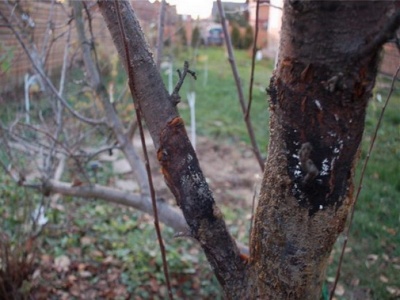
- depth of groundwater;
- soil condition;
- timing of the last fertilization;
- soil salinity;
- the effectiveness of emerging from hibernation;
- the appearance of signs of diseases characteristic of this type of fruit plant.
Without considering the above factors, it is impossible to determine the exact cause of apple tree decline. There are three main global sources of the problem:
- negative impact of weather conditions;
- attack of pests on cambium and tree bark;
- infection with fungal diseases.
Diseases that can cause a tree to dry out
In some cases, yellowing and drying foliage can be a sign of an apple tree disease. Here are the most common ones: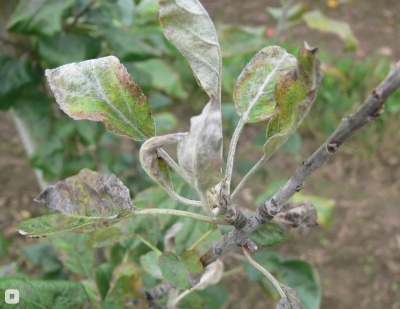
- Black crayfish - Spots and ulcers appear on the shoots, which eventually spread to the entire tree. Chemical treatments for this disease are ineffective, so damaged areas should be removed immediately, and cut treat with a solution copper sulfate.
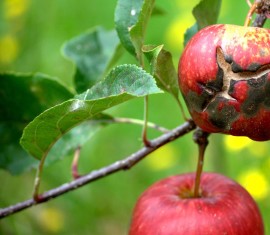
- Scab – originates on foliage and fruit. Without treatment, individual parts of the apple tree may die.
- Brown rot – characterized by very strong drying of green mass.
- Powdery mildew – when a tree is infected, active drying of the upper parts of the plant is observed.
Saving a drying apple tree
 Depending on the cause of the problem, solutions can be found. For example, if an apple tree is dying due to soil depletion, the situation can be corrected by regularly adding large doses of mineral salts and organic compounds. In this case, low groundwater levels present an insurmountable problem. The gardener can only periodically prune the tree, keeping it at a manageable size.
If pests or diseases affecting the root system are to blame for the decline of your garden plants, applying special poisons can help. Remember that such treatments should be carried out strictly according to the instructions provided with the product. Uncontrolled application of any product or failure to adhere to the correct dosage can result in the death of the tree.
If dry patches appear on apple trees after the frost season, the only correct solution is to remove them. The rest of the crown should be treated with "Heteroauxin." This will promote faster wound healing and improved growth of young shoots. If, however, fresh shoots begin to deteriorate during the warm season due to attack aphids, then they must be treated with hot pepper tincture or removed completely.
Never use chemicals until the root cause of the problem has been accurately identified.
Young apple trees
To prevent an apple tree from drying out, before planting, it's important to inspect the potential location of the young tree to ensure there are no conditions conducive to poor root development. Fungal infections and insect pest larvae can also adversely affect the development of the fruit tree. Therefore, before planting, inspect not only the soil but also the roots of the apple tree. Once the possible cause of drying out has been identified, we can begin to address it.
The following medications and their combinations will help against infectious diseases:
- calcium hydroxide and copper sulfate;
- 1 part "Difenoconazole" and half "Flutriafol";
- "Trifloxystrobin".
In case of an insect attack, you will be saved by:
- "Malathion";
- "Aversectin C";
- "Pyriproxyfen."
Preventive measures
To avoid potential wood drying out, it's important to regularly implement a series of preventative measures. This will significantly reduce the risk of wood damage. Preventative measures include: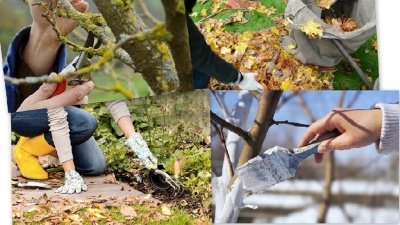
- Clearing up leaves after the leaves have fallen will prevent the spread of fungal spores throughout the area. It is recommended to either compost them or burn them, and use the ashes as fertilizer around the tree trunk.
- Disinfection of garden equipment.
- Treatment of wood wounds garden pitch.
- Weeding.
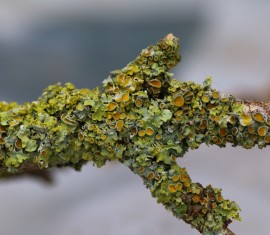
- Cleaning the bark from fungi, lichens and dead parts.
- In spring, spray the newly formed buds with a fungicide solution, and after flowering, a one-time treatment with a broad-spectrum insecticide.
- Timely fertilization.
Don't overdo it with adding nitrogen to the soil, as this will attract hordes of aphids to the trees.
The nuances of the problem
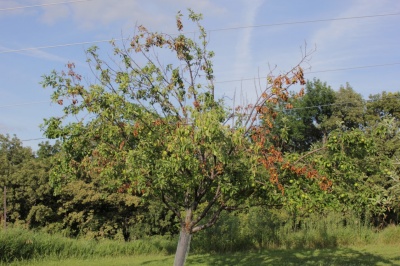 If the tree has only recently been growing in the area, but yellowing and drying are already present, look for the cause. If the cause is improper care, it needs to be corrected. If the problem lies in the wrong location or errors made during planting, it's easier to replant the tree correctly, following all the instructions. In addition to the obvious causes discussed, gardeners are often concerned about specific issues, such as drying out of the tree's crown, trunk, or bark.
Branches or top
 Young shoots can dry out due to inadequate root system moisture or excessive moisture in the soil. Inadequate fertilization can also cause deterioration of the greenery. In this case, weakened parts of the tree should be removed.
In the near future, the plant will be in dire need of increased fertilizing, preventative pruning, and proper crown shaping.
If the tree's top is damaged, it will need to be cut down to the healthy part and the cut area will need to be painted with oil paint or garden varnish. Fertilizing with mineral fertilizers is essential.
Trunk
Apple tree trunks can be damaged by extreme cold during the winter. Unprepared trees develop cracks and frost cracks if they haven't been insulated before the start of the growing season. Being close to mature trees can deplete young apple trees of nutrients, causing their trunks to dry out.
Bark
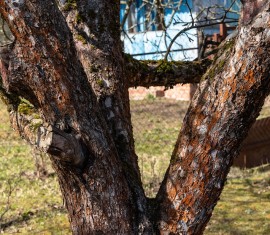
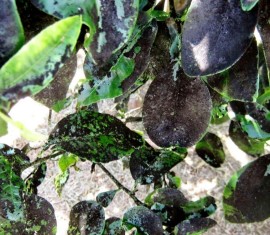
In some cases, the apple tree's trunk bark may begin to dry out and become covered in dark spots. If a sooty coating is visible in dry areas, then any measures to save the tree will be futile. However, if the damage is minor, the tree may be saved. To do this, the spots are cleaned down to the living wood and painted over with oil paint. If the bark is suffering from the effects of lichen or mold, then the tree will need to be treated with a concentrated solution of copper sulfate and whitewash.
Drying out on one side
Due to poor care, branches and leaves on a tree may begin to dry out, often on only one side of the crown. This phenomenon is associated with a lack of timely fertilizing, planting adjacent vigorous trees, and neglecting weeding and soil loosening. If the foliage begins to dry out at the edges and yellow spots appear on the green parts, the apple tree needs to be provided with good air circulation and adequate nutrition.
In the spring
If your apple tree begins to shrink after winter, it may be damaged by rodents, overly wet during snowmelt, mold, or frost. In most cases, the plant can still be saved if prompt treatment is initiated. However, prevention is paramount. To achieve this, cover the roots of your fruit tree during cold weather. Mulch the soil with:
- peat;
- straw;
- wood sawdust;
- moss.
Young trees require complete shelter. Before storing them for the winter, be sure to paint the trunks with a limestone solution to repel rodents.
Foliar feeding
If the yellowing is only partial and some young parts curl and dry out, this may indicate a nutrient deficiency, such as iron, sulfur, or magnesium. Spraying with specialized solutions, which can be found at the store based on your needs, can help address these deficiencies.
Conclusion
There are a number of causes and diseases that can manifest as wilting of leaves and parts of shoots. While these can certainly be treated, it's best to prevent such problems from developing. With proper planting and care, the harvest will always be abundant and the trees healthy.