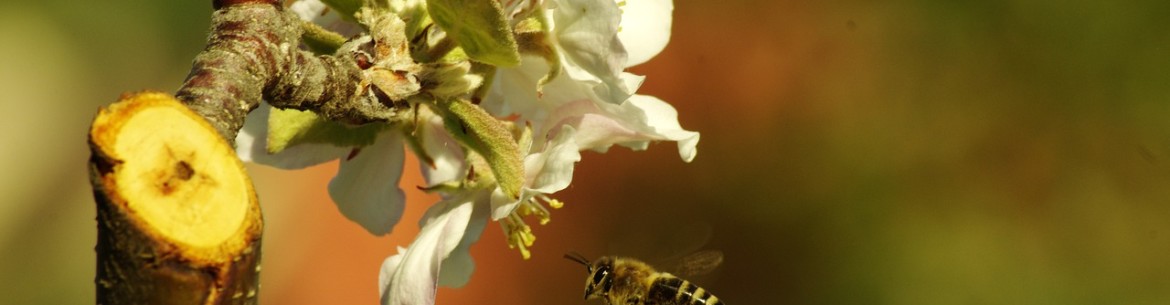
Year-round apple tree care: Secrets to a good harvest
Apple trees can be found in almost every garden. Their popularity stems from their delicious, shelf-stable harvest and their low maintenance. However, to ensure healthy and productive trees, they require timely and proper care throughout each season.
Principles of spring care
With the arrival of spring, the complex care of apple trees is quite extensive, as this is when all living organisms, including pests, awaken from winter hibernation. Therefore, it is essential to provide the orchard with reliable protection. Otherwise, damaged trees will not produce a good harvest and will become a haven for harmful insects.
Necessary equipment
To perform all procedures aimed at maintaining the health of apple trees, you need to have the following gardening tools available:
- pruning shears;
- sprayer (preferably knapsack);
- rake;
- garden shears;
- pitchfork;
- saw;
- watering can;
- PPE: gloves, suit, mask;
- hoses;
- shovel.
Removing winter cover
Since the onset of the thaw varies from region to region, it's impossible to set a precise date for removing apple trees from winter cover. When performing this type of work, it's important to rely on the air temperature. For example, insulation shouldn't be removed during low temperatures. Ideal conditions for this procedure are between 12 and 16°C during the day. It's best to remove the insulation in stages, over several days. This will allow the trees to adapt smoothly to the new environment.
Natural covering material that allows air to pass through can be left until high temperatures have completely stabilized.
Inspection and repair of damage
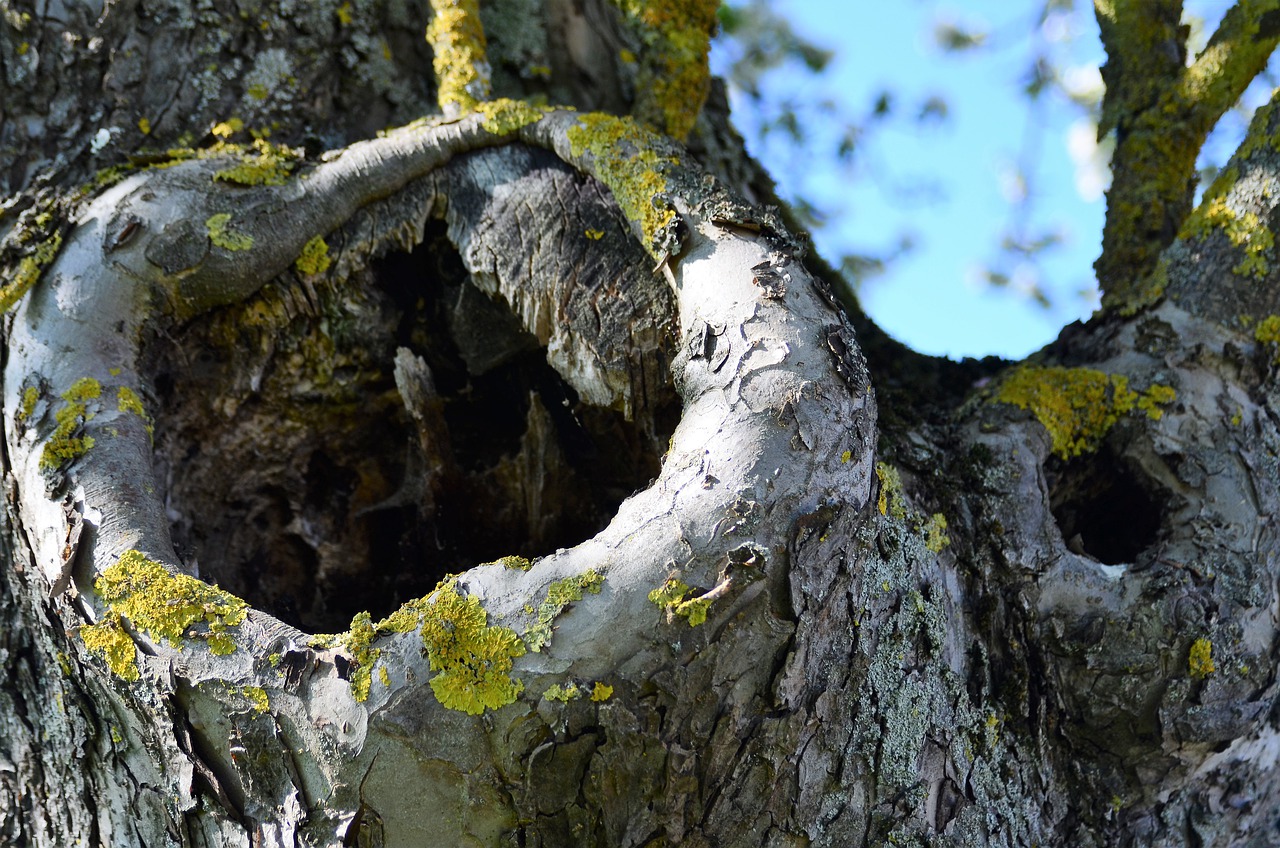 After winter, gardeners carefully inspect the trunk for any damage caused by severe frosts or pests. Affected areas are treated with garden resin, and any cracks identified are carefully sealed to prevent them from spreading.
Fallen branches, last year's leaves, and rotted fruit are cleared from around each apple tree. All of this provides an ideal breeding ground for harmful microorganisms that can quickly damage the tree's bark.
If a hollow is discovered, it is necessary to treat the damaged area and eliminate the defect using some special material.
Whitewashing rules
All apple trees under 15 years old require spring whitewashing to protect the trunk from the damaging effects of ultraviolet rays. The bark of more mature trees is fully formed and resistant to sunburn. The optimal time for this treatment is late February or early March, when the sun's intensity is still low and can't significantly damage the fruit trees.
Before starting the procedure, you need to remove from the trunk the organisms that have accumulated over the winter: moss and lichen, the surface of which is an ideal environment for parasites. Whitewashing It is recommended to use a special acrylic-based garden paint. This material has several advantages: it is resistant to environmental changes, does not peel at low temperatures, and is not washed off even by heavy rainfall.
The paint is usually applied from the base of the apple tree and up to the first-order skeletal branches, covering them as well.
For whitewashing It is acceptable to use chalk, copper sulfate, or lime. However, it is important to remember that painting young trees with lime paint is not recommended, as this compound can seriously damage the trunk.
Trimming
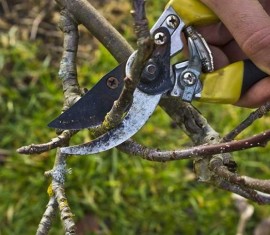
 Timely pruning plays an important role in apple tree care. This procedure is necessary not only for mature trees but also for young ones. Removing some branches helps shape the crown, as well as clean and rejuvenate it. Pruning removes young shoots that block sunlight from reaching previously formed branches.
Gardeners also remove shoots that point sharply upward. In seedlings, this procedure helps strengthen the skeletal branches. The procedure should be performed so that a distance of 40 to 70 cm remains between the skeletal branches. When pruning older apple trees, special attention is paid to removing dead wood.
Pruning can be done at temperatures not lower than -7 °C, which usually occurs in March.
This activity is prohibited during the period when the tree's green cone appears, in late April or early May. Fruit trees between 4.5 and 5 meters tall are pruned. All operations are performed using a hacksaw and hand pruners.
Construction of supports
Often, the apple tree's fruit ripens so heavily that its branches crack and break, unable to support the weight. Ignoring this problem can lead to the death of the entire tree. In this case, support will be needed, of which there are two types:
- external, placed directly under the branches;
- internal, tied to the branches inside the tree with wire.
Sometimes, despite the presence of supports, a branch can break. If this happens to a young branch, it should be cut down to the ring, and then the area should be cleaned and painted. saw cutAs for the old, fruit-bearing branch, it must be secured to the trunk; otherwise, its loss will disrupt the fruiting of all other branches.
Protection from harmful insects and diseases
It's impossible to grow a healthy apple tree without timely spraying with pesticides and disease-protecting agents. With the arrival of spring, harmful insects awaken, and at this time, it's necessary to install special trap belts around the trunk. For this purpose, we recommend using an adhesive belt: it adheres securely to the trunk, preventing pests from passing underneath.
 1 treatment
The first spraying of an apple orchard is done with Bordeaux mixture or copper sulfate on bare branches. The second is done after the green cone has formed, at which time the temperature has already reached 15°C. The following products are used for treating trees:
- "Decis";
- "Tanrek";
- "Spark";
- Intavir;
- Fufanon.
A composition made from two preparations – “Aktellik” and “Horus” – effectively eliminates pests and simultaneously prevents the occurrence of diseases.
3 processing
For the third treatment, experts recommend the use of bacterial preparations characterized by minimal toxicity, for example:
- Fitoverm
- "Lepidocid";
- "Bitoxibacillin".
Spraying should be done in calm, windless, and rain-free weather. Under these conditions, the potent components of the products begin to kill pests 4–5 hours after application.
2 processing
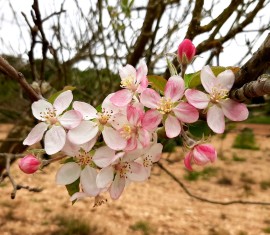
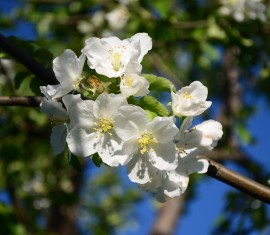
After the flowering period ends, gardeners perform a second spraying (on the pink bud). During this period, the tree is at risk of further pest attacks, as well as infection by mature fungal spores.
4 processing
The fourth treatment is performed on the ovaries formed after the apple trees have blossomed. For this purpose, two products, "Skor" and "Aktara," are mixed in a 1:1 ratio, using 2 grams of each. Then, both components are dissolved in 10 liters of water and poured into a sprayer.
Top dressing
First top dressing Recommended for April, this procedure involves injecting nutrients into the soil to a depth of 20–25 cm. Small depressions are created during this process, into which granular fertilizer is added. This method provides apple trees with all the necessary nutrients for 2–3 years.
Dry fertilizers are applied to moist soil, so if necessary, water first.
Fertilizers used for top dressing at the end of May should be nitrogen-free. At this time, gardeners favor phosphorus and potassium-rich options. This encourages flower formation, thereby increasing yields.
Watering
Proper care of an apple orchard requires timely watering. During warm, dry springs, trees require adequate moisture, especially young trees. In this case, the recommended watering frequency is every 4-5 days.
To retain moisture, the tree trunk circle is sprinkled with a thin layer of mulch: peat or straw.
It is not advisable to use wood sawdust as mulch because of its ability to increase soil acidity.
Features of summer care
 During the summer, the number of apple tree care activities is significantly reduced. However, the remaining procedures are still quite important. These include watering, especially during dry periods, and removing excess fruit.
Watering
Young trees, which haven't yet had time to develop roots to the required depth, require timely watering most. Wilted leaves will indicate that they urgently need watering. For watering, use water at a temperature of 18 to 25 degrees Celsius. The moisture should penetrate to the root system, which for trees aged one to two years is about 80 cm.
When carrying out this activity, it is recommended to follow the following standards:
- For young plants (1–2 years old), water 4–5 buckets once every 2 weeks. Avoid additional watering during periods of heavy rainfall, as excess moisture will cause root rot.
- For mature trees – from 70 to 100 liters per 1 m2 tree trunk circle.
On very hot days, watering should be done late in the evening, as drops remaining on the surface of the trunk, combined with the sun's rays, can cause bark burns.
Young apple trees are watered in holes dug around the trunk, while mature trees are watered in furrows dug ½ a meter deep. To ensure additional air flow to the root system, punctures are made in the soil, spaced 60 cm apart and 40 cm deep.
Removing excess ovaries
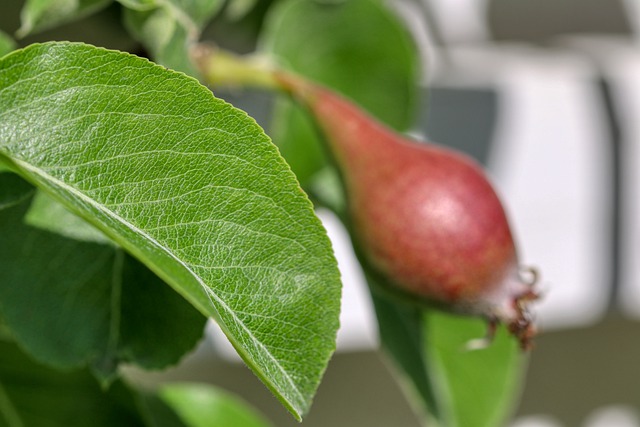 Excessive ovaries negatively impact the quality of the future harvest: the fruits are small in size and lack flavor. To prevent this problem, excess ovaries are removed. This procedure is especially important for young crops.
Lack of control over the harvest means branches can't support large quantities of fruit and break off. Furthermore, the tree itself expends too much energy, which it needs later to survive the winter successfully.
Excess fruit is removed after its final formation, just as it begins to collect juice. During this process, the central fruit, usually irregular in shape, is removed from each bunch. The bunches are also inspected for various defects, and if any are found, these ovaries are also removed.
If the distance between the fruits that are forming is less than 10 cm, then the entire bunches are removed.
Adding additional fertilizer
In early summer, winter apple varieties are fed with mineral phosphorus compounds, which positively impact the yield and flavor of the future harvest. Fertilizers are applied before the fruit forms; otherwise, having absorbed these elements, the fruit will become unfit for consumption.
Principles of autumn care
 In autumn, apple orchard care activities are carried out for the following purposes:
- increasing resistance to low temperatures;
- increase in crop yield;
- improving the quality of apples.
There are no specific deadlines for completing autumn work, but the main thing is to get everything done before frosts become stable.
Pruning branches
Autumn pruning is primarily performed for sanitary purposes. This involves removing broken, dry, and diseased branches. Shoots growing inward or upward are also removed.
When pruning, avoid burrs or tears in the bark; cuts must be perfectly smooth.
After the procedure, the cut areas are treated with copper sulfate (1%), and after they are completely dry, with garden pitch.
Barrel processing
Care of the trunk includes several operations, namely:
- identification of lichen and moss with subsequent removal;
- pest control;
- whitewash.
In small numbers, lichen and moss cause virtually no harm to apple trees, but if they cover the entire trunk, they disrupt air circulation. Furthermore, these organisms can quickly spread throughout the garden. Any growths detected are removed with a plastic scraper and then treated with garden pitch or copper sulfate.
Getting rid of pests is an important autumn activity. They typically settle under peeling bark, where they survive the cold winter without harm. To control them, apple trees are sprayed with insecticides, such as Aktara or Karbofos.
Autumn treatments with pesticides are only permissible after the entire harvest has been collected.
To eliminate bacteria and fungal spores, use the drug "Horus", a solution of urea or copper sulfate, diluted in a bucket of water in the amount of 300 g.
Whitewashing protects the garden from low temperatures and rodents. In this case, a mixture of the following components diluted with water is recommended:
- 500 g of copper sulfate;
- 200 g wood glue;
- 3 kg of lime.
Alternatively, you can purchase ready-made whitewash, for example, like "Gardener".
Preparing soil for winter
Soil care includes removing fallen leaves and fallen fruit, digging, and mulching. Fallen and rotted fruit and leaves provide an ideal haven for fungal spores, as well as various bacteria and insect pests. Therefore, all of this material is collected in a pile and sprinkled with lime. This ensures not only proper disposal but also a sufficient supply of ready-to-use fertilizer for the following season.
Digging up the soil near apple trees is necessary to destroy warm insect burrows.
This way, after the first frost, most of the pests overwintering in the soil will die. To avoid damaging the roots, dig to a depth of no more than 20 cm. To provide the apple trees with nutrients, place mulch around the trunks. humusWhen preparing fruit crops for winter, perform the following top dressing It's not necessary at all. However, if you wish, you can add 5 kg humus, 100 g of potassium fertilizers and 100 g of superphosphate, this amount is calculated for 1 m2.
In autumn, you should not feed trees with nitrogen fertilizers, due to their ability to reduce the winter hardiness of crops.
Although apple trees are considered relatively low-maintenance crops, they still require timely and proper care. Following all necessary procedures will positively impact the health of the trees, as well as the yield and quality of the harvest.




Comments
Thank you, very useful information... I am the owner of several apple trees, and I would like to learn how to graft them correctly... I haven’t succeeded yet.
In the "Protection from Harmful Insects and Diseases" section, the "Second Feeding" subsection doesn't provide a breakdown of what and how much, and the previous text doesn't make it clear. Z is a complete layman in these biological matters, but the article is insightful and chronologically structured. I have an old apple tree that's slowly dying. It's a legacy from a deceased parent, and I'd like to preserve it for as long as possible, thanks in part to sound theory. And as for practical experience, I'm in charge.