Treatment of Cytosporosis of Apple Trees and Other Fruit Trees
Many gardeners are familiar with the disease cytosporosis, which most often affects shrubs and trees, including pome and stone fruit crops. Failure to detect this problem promptly and without treatment can lead to infection and the death of the entire garden.
Description of the disease
Cytosporosis is a necrotic-cancerous disease caused by fungal microorganisms belonging to the genus Cytospora. The cone-shaped pycnidia produced by these pathogens contain multiple chambers in which spores develop. Mature cells are dispersed throughout the garden, infecting garden crops.
Typically, the disease affects shrubs and trees with reduced immunity due to drought, freezing, untimely pruning, sunburn, or mechanical damage.
Causes of infection
 The occurrence of cytosporosis is facilitated by a number of factors:
- high air temperature;
- high humidity;
- insect attacks;
- lack of vitamins and beneficial microelements in the soil;
- violations of the integrity of the cortex caused by one reason or another;
- Ignoring agricultural practices: lack of timely fertilizing, improper pruning.
Forms of the disease and the danger they pose
There are two forms of cytosporosis:
- Chronic – a gradual and prolonged infection, in which the processes of drying and dying occur partially and can last more than a year.
- Instant – Infection occurs in the shortest possible time. Most often, fungal spores attack the forks of the main scaffold branches. In this case, the tree dies within 1–2 months or during the growing season.
Cytosporosis is one of the most dangerous plant diseases. Sap flows directly through the bark, and when it is affected, nutrients are cut off from the affected area, leading to its drying out. Fungal microorganisms released during their life cycle negatively impact the bark: it dries out, changes its structure, and loses its ability to conduct sap. After some time, the bark darkens and dies.
Characteristic symptoms
The disease manifests itself during the flowering period or early summer. Each variety of garden crop is susceptible to Cytosporosis, which has its own unique characteristics. However, there are a number of common symptoms of this disease that affect all plants:
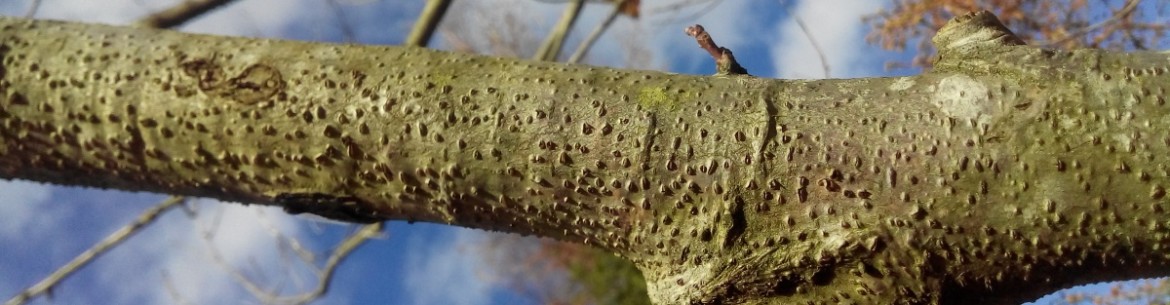
- change in the condition of the bark: the appearance of formations containing spores;
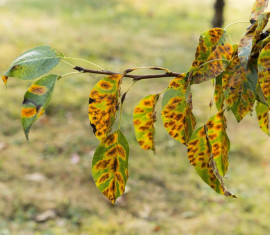
- flowers dry out and acquire a rusty tint.
In rare cases, the bark of the diseased plant turns green, after which bulges appear on it.
New growths encircle the trunk and branches, causing the bark to darken and die. At the same time, the leaves and flowers surrounding the affected area dry out. In the advanced stage of the disease, the wood suffers, cracking and releasing gums.
Due to the many similar symptoms, cytosporosis can easily be confused with a dangerous fungal disease black crayfish, often one plant is affected by both of these diseases at once.
In pome fruit species
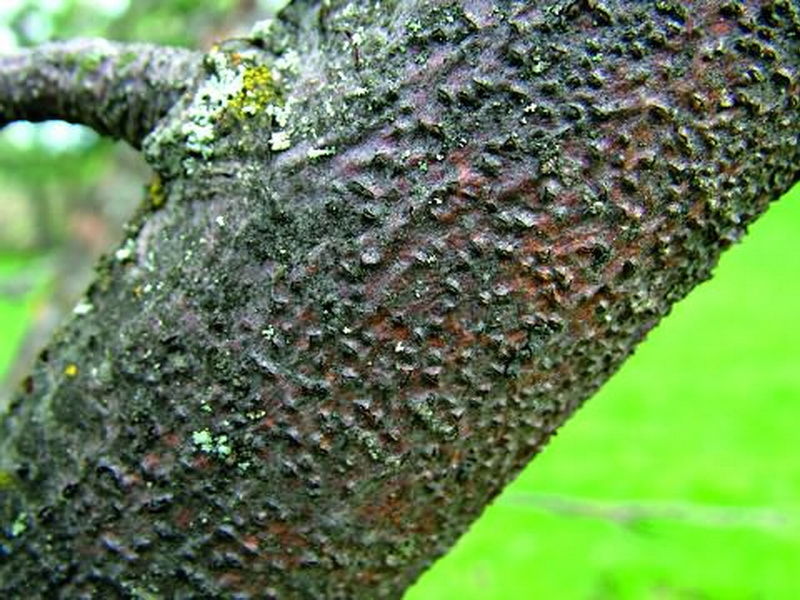
 Several signs usually indicate that trees are infected with a fungal infection:
- intense secretion of gum, which contributes to the clogging of blood vessels and blocking the flow of sap inside the tree;
- drying out of the upper part of the crown due to a lack of nutrients that it does not receive from the root system;
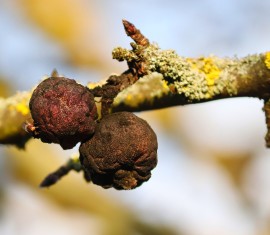
- the bark acquires a reddish-brown hue and a spongy structure;
- the formation of numerous dark red pads on the surface of the wood;
- blackening and scabbing of the bark the following season;
- drying of flowers and leaves.
The disease occurs in a similar manner in apple, pear and other pome fruit trees.
In berry crops
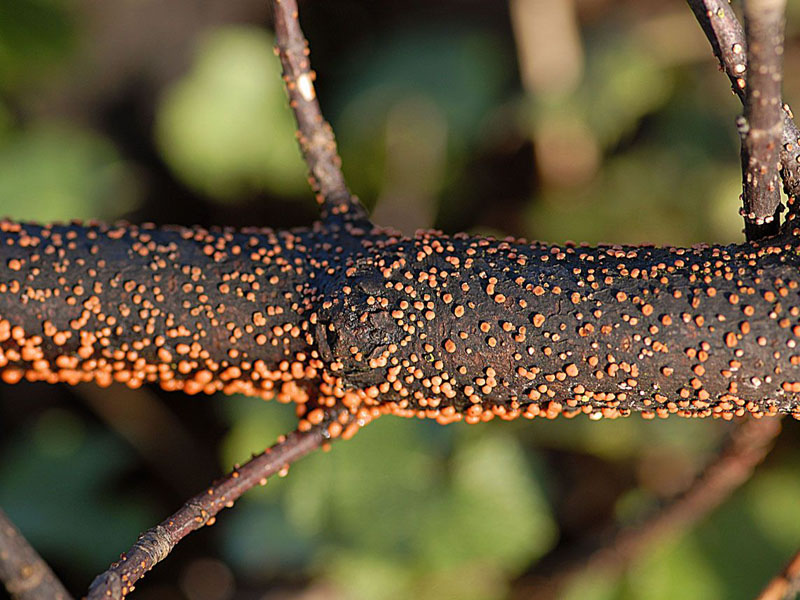 These plants are characterized by the following symptoms:
- the formation of red bumps on the trunk, which darken and dry out over time;
- death of bark in affected areas;
- drying out of young shoots and branches;
- darkening and drying of flowers and leaves, but they do not fall off and remain on the bushes.
After half of the main part of the bush is affected by the fungus, it dies.
Red currants are more susceptible to cytosporosis.
In stone fruit breeds
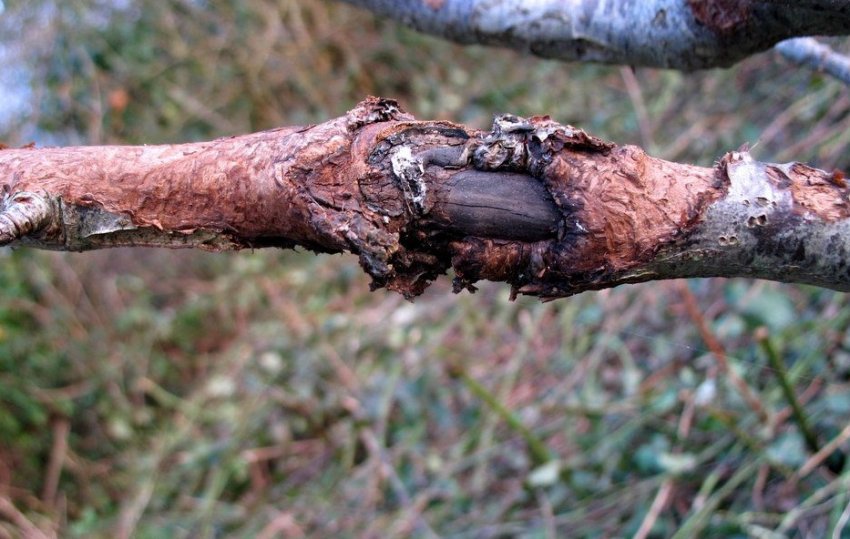 The disease in peach and apricot is manifested by a number of symptoms:
- secretion of gum with subsequent blockage of blood vessels;
- slowing down and then finally stopping the movement of juice;
- gradual dying off of tree tops;
- yellowing of the bark, changes in its structure;
- the formation of fungal pycnidia on the surface of the bark in the form of dark gray pads;
- flowers and leaves turning brown.
Dried leaves and flowers do not fall off and remain on the tree for quite a long time.
When affected by cytosporosis in the second half of summer, stone fruit crops dry up instantly.
In nut-bearing plants
Cytosporosis disease of these crops is accompanied by several symptoms:
- the appearance on the trunk of a characteristic burn, expressed as deep brownish ulcers that increase in size over time;
- spread of infection from top to bottom;
- leaves turning brown;
- change in bark color: at first it becomes orange-brown, and then turns black.
In coniferous species
The following signs will help identify fungal diseases in conifers:
- bark cracking;
- abundant release of white-blue resin from cracks, which forms a pale coating on the surface after hardening;
- needles turning brown, drying out and falling off;
- drying out of branches, starting from the top.
Most often, cytosporosis affects pine and cedar due to their high susceptibility to this disease.
At the flowers
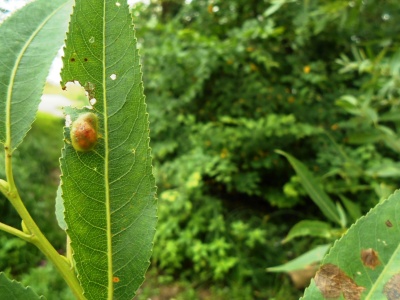 The following symptoms indicate flower infestation:
- the formation of numerous grey bumps on the main stem;
- cracking;
- the release of conidia through cracks that penetrate plant tissue;
- darkening of the main stem, changes in its structure and gradual dying off.
Methods of treating cytosporosis of fruit trees
Treating Cytosporosis in apple trees and other crops is difficult, especially if the disease is in an advanced stage. Therefore, it's best to immediately protect plants from infection by implementing a comprehensive set of measures.
Use of chemicals
If signs of cytosporosis are detected, it is recommended to treat garden crops with modern fungicides. The choice of treatment solution depends on the stage of vegetation. Disease control is best started in early spring, before the leaves begin to form. During this period, plants are sprayed. copper sulfate (3%), and the tree trunk area is watered with a 10% ammonium nitrate solution. A 7% urea solution is also used for treatment.
For treatment during bud swelling of apple, pear and other trees, the drug "Hom" (40 g/10 l of water) or colloidal sulfur (1%) is recommended.
The second procedure is carried out during the period of bud formation, at this stage a solution is used copper sulfate (5%) or a composition prepared from 50 g of colloidal sulfur and 10 l of water.
The third treatment is carried out after flowering, using Hom. Many gardeners prefer the following fungicides:
- "Azofos";
- "Topsin M";
- Horus;
- Fitosporin-M;
- "Baktofit";
- Abiga Peak;
- "Alirin-B";
- Bordeaux mixture.
To treat advanced forms of cytosporosis, it is best to call a team of specialists to carry out chemotherapy: the introduction of a composition of zinc sulfate and boric acid using special equipment.
Alternatively, antibacterial drugs such as Tetracycline and Streptomycin at a concentration of 2–4% are used to treat affected areas.
Therapy with folk remedies
Along with chemical preparations, it is permissible to use self-prepared products, namely:
- Composition of mullein and clay. Mix both components in equal parts and apply to the affected area, after cleaning it and treating it with copper sulfate. Afterward, cover the wound with a clean cloth.
- A solution made from kerosene, copper sulfate, and rosin, mixed in a 1:1:3 ratio. No cleaning of the affected area is required before application. A stiff brush is best for applying the solution.
Since folk remedies are less effective than chemical compounds, their use will be appropriate in the early stages of the disease.
Preventive measures
The complex of preventive measures includes the following:
- Destruction of all severely infested crops: uprooting and burning outside the garden. In this case, root pruning is performed at the maximum depth.
- Cleaning up the diseased areas. It's important to remove up to 3 centimeters of plant tissue uninfected by fungal mycelium. Once the work is complete, the cut areas are treated with an antiseptic, and then garden pitch, preventing moisture and air from entering the wound.
- Regular rejuvenating pruning is recommended, followed by disinfection of fresh cuts with a 3% copper sulfate solution and a thorough coating with garden pitch. For minor damage, use a potassium permanganate solution (5 g/10 l of water).
- Autumn and spring whitewash lime solution (2 kg quicklime/10 l water/100 g copper sulfate). To improve the solution's adhesion to the bark surface, a little glue is added.
- Regular loosening of the soil in the tree trunk circle to saturate the soil with oxygen and prevent pests from settling in it.
- Disinfection of garden tools before use.
Only by taking all preventive measures can the active spread of fungal infection be avoided.
Fundamentals of agricultural technology
Agrotechnical rules imply the following manipulations:
- Compliance with the regime glaze and top dressing, the use of phosphorus-potassium compounds.
- Spring treatment of crops with preparations containing copper (Bordeaux mixture, copper sulfate). The procedure is performed before the buds swell.
- Proper planting of seedlings, avoiding dense crowns.
Cytosporosis is a serious disease that can only be combated with timely detection of initial signs and prompt initiation of treatment.