Apple tree moniliosis: how to treat trees and how to prevent fruit rot
Fruit rot (moniliosis) is a serious disease caused by a fungal infection. To prevent the further spread of harmful microorganisms, gardeners treat their trees promptly. Ignoring this problem leads to significant crop losses (up to 80%).
Content
Characteristics of moniliosis
The infectious disease moniliosis is caused by fungus Monilinia fructigena infects the foliage, blossoms, shoots, and fruit of apple trees. After harvest, the fungus persists in the fruit, causing significant damage to orchards. Transported by rain, wind, and insects, spores quickly spread throughout the orchard, primarily affecting fruit damaged by birds and wasps. Optimal conditions for disease development include:
- humidity – 90%;
- air temperature – from +13 to +15 °C.
Forms and stages of progression
The course of the disease and its symptoms depend on the type of fungus destroying the fruit crop. There are two forms of moniliosis:
- monilial burn;
- fruit rot.
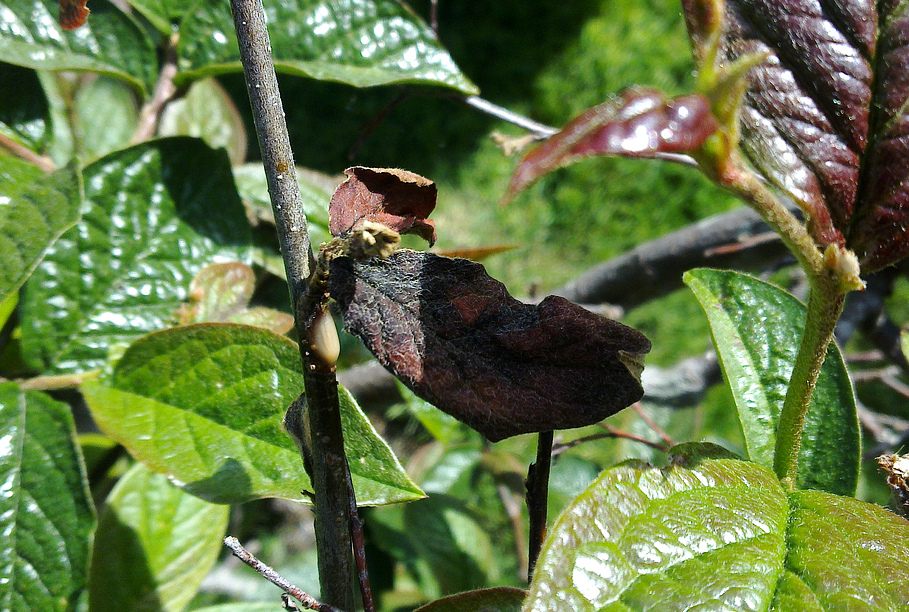
The first signs of monilial blight appear in the spring and are characterized by reddening of the midrib of the leaf blades. The infection subsequently affects the entire leaf, spreading to the ovaries, inflorescences, and petioles, causing them to wither. White conidial pads are visible on the underside of diseased leaves.
Fruits that have already formed are not susceptible to monilial burn.
Symptoms of fruit rot indicate an apple tree infection with the Monilinia fructigena fungus, namely:
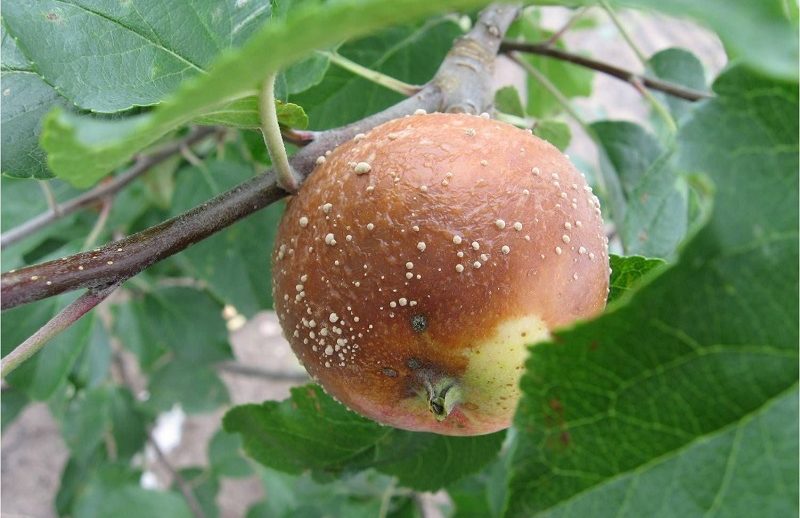
- the appearance of small brown spots on the fruit, followed by damage to the entire surface;
- the pulp loses its taste and acquires a spongy structure;
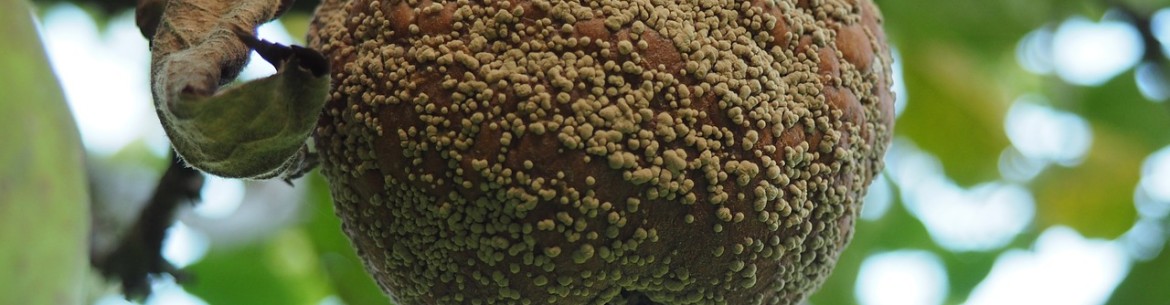
- the formation of grey-yellow pads on the skin of apples.
Infected fruits turn black, dry out, and become hard in dry and cold weather. In warm and humid conditions, most apples are attacked by the fungus during the ripening and maturing stages, and the remainder of the crop is lost during transportation and storage.
 The development of infection occurs in two stages:
- sclerotial - during the tree's dormant period, fungal spores overwinter in fallen fruits or in tree bark;
- conidial - colorless conidia form a mycelium, which subsequently spreads throughout all vegetative areas of the apple tree in the form of a large number of gray-yellow pads.
The life cycle of the fungus occurs during the flowering and fruiting period of apple trees: entering a new development cycle in the spring, conidia infect formed inflorescences and shoots.
Causes of occurrence
A number of factors contribute to the development of moniliosis:
- active life of harmful insects;
- infection from already affected apples;
- use of instruments not treated with disinfectants;
- the presence of any diseases in fruit crops that lead to weakened immunity;
- susceptibility of a particular variety to fungi: Monilinia fructigena and Monilinia mali;
- improper care of the fruit garden, insufficient antifungal treatment, lack of preventive procedures;
- a severe, prolonged winter followed by a cold spring.
Rotten and dry fruits remaining on the trees can spread infection for up to 2 years.
Signs of defeat
The first symptoms of moniliosis in the garden are observed after the incubation period: 8-10 days for burns, 6-7 days for fruit rot. Signs of infection include:
- leaves and inflorescences turn brown, followed by drying up and dying off;
- cessation of nectar production, absence of a smell that attracts bees;
- the presence of fungal conidia on the inner side of leaf blades, peduncles and shoots;
- the appearance of small brown spots on the skin of apples, gradually spreading over the entire surface of the fruit;
- blackening and drying of apples;
- the presence of fungal spores in the form of yellow-white growths on the bark;
- cracking, swelling and separation of the bark from the wood on large branches, the formation of ulcers on its surface;
- changes in the structure of the fruit pulp and the acquisition of a sweet alcoholic aroma and taste.
Moniliosis infestation in spring
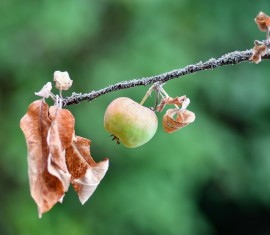
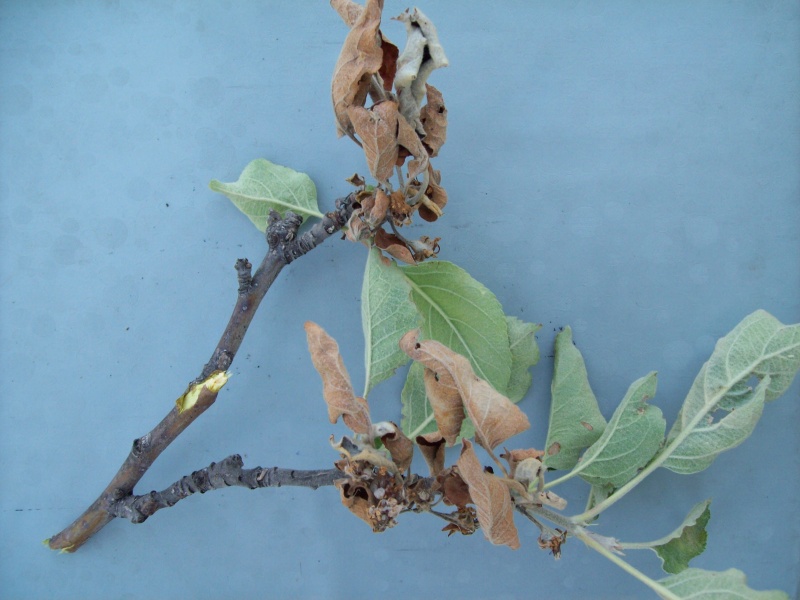 In the spring, during the formation of leaves and flowers, the fungus begins to form and disperse spores, infecting the trees. As a result, the leaves curl and dry out, and the flowers turn brown and fall off. Rapidly spreading, moniliosis can completely destroy the crop.
Taking preventative measures promptly significantly reduces the likelihood of fungal infection developing and spreading. The following procedures are recommended:
- Inspecting trees in early spring, eliminating dense crowns, cleaning off dead bark and formed lichens. Treating damaged areas with paint or garden pitch, whitewash lime solution on large branches and trunk.
- Top dressing potassium-phosphorus preparations, removing last year's plant debris, digging up the soil in the tree trunk circle.
- Watering young trees with root system stimulants (5–10 l per one trunk).
- Periodic soil moistening around the trees.
- Carrying out foliar feeding.
- Treating the garden with chemicals in order to prevent attacks by pests that carry moniliosis.
When using chemicals, it is necessary to strictly adhere to the dosages recommended by the manufacturer.
Methods for treating apple trees from moniliosis
Control measures for monilial blight depend on the severity of the apple tree infestation and the ripening period of the fruit. In most cases, trees are treated with products that kill fungal spores and harmful insects. Spraying is carried out at a rate of 10 liters of water per tree.
Fighting infection
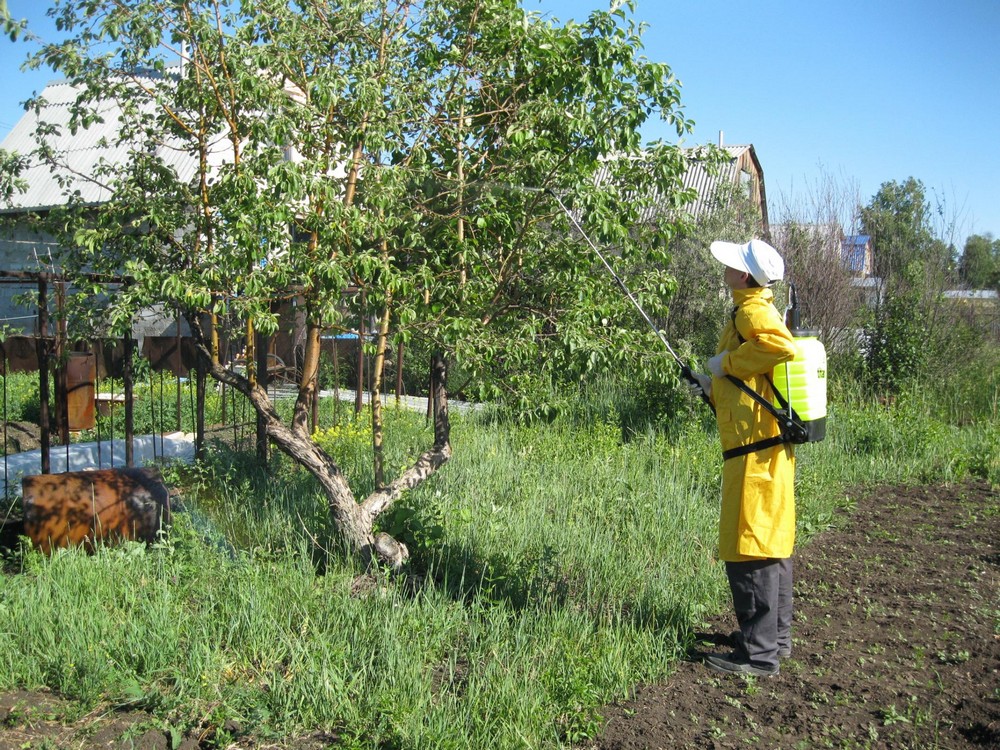
The following medications are used against diseases:
- "Skor" (2 ml);
- "AbikaPeak" (diluted to a concentration of 0.4%);
- "Tsineb" (100 g);
- "Stroby" (2 g);
- "Tsiram" (50 g).
The first treatment is performed during the bud formation phase, and the second after flowering. If necessary, repeat the procedure after 10-14 days. Experienced gardeners recommend the product "Hom": during the growing season, it is sprayed on trees up to four times. All of these products are resistant to humid conditions and begin to work within 2-3 hours of application.
To combat moniliosis, such a measure as treating apple trees is effective Bordeaux mixture (1%).
When treating fruit trees for moniliosis, it is recommended to alternate fungicides with preparations against powdery mildew and scab; this will enhance protection against infections.
Pest control
Pests not only damage crops but also create favorable conditions for the development of fruit rot. Therefore, their eradication is one of the most important tasks for a gardener.
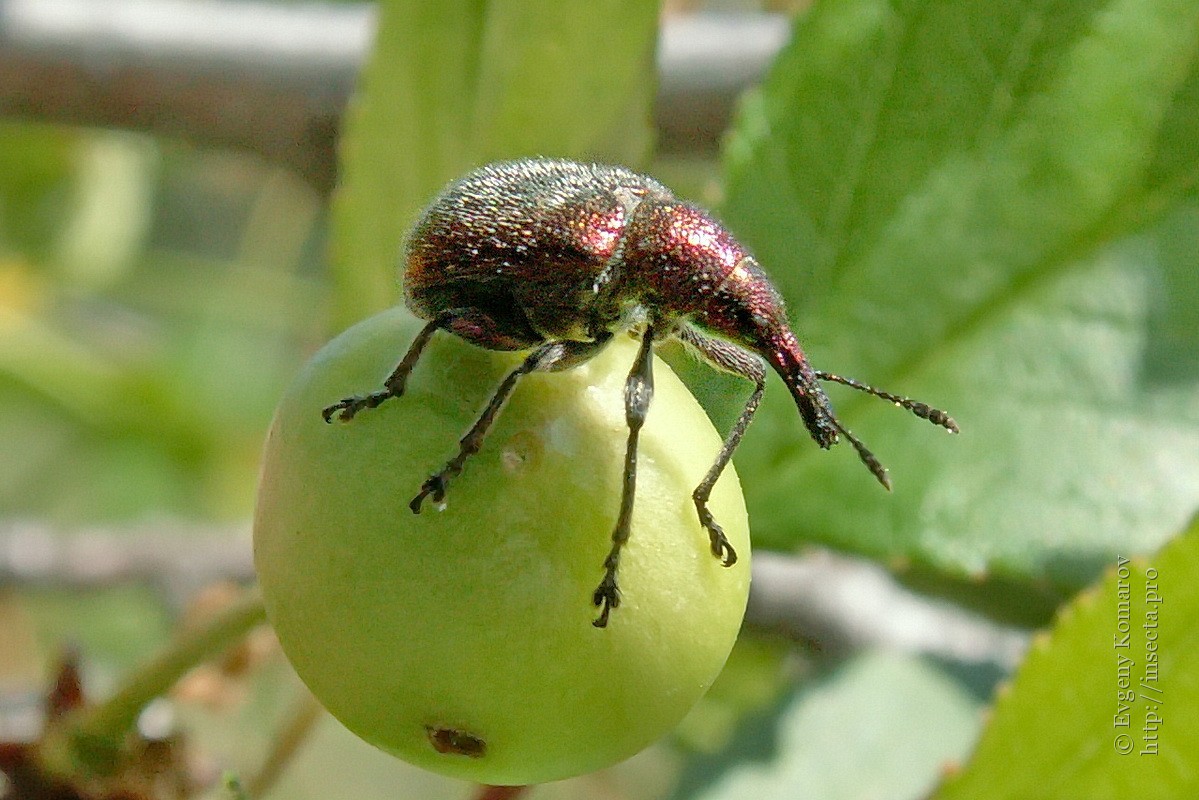
Sawflies, mites, leaf rollers and aphids damage the skin of apples, through which infection occurs, and also spread fungal spores.
Codling moth larvae introduce fungus into the fruit, causing it to rot from the inside out. The following pest control products are used:
- "Spark - double effect";
- Iskra-M.
Folk remedies
There are several known methods that bring effective results in pest control. To destroy caterpillars and aphids use:
- a decoction prepared from red pepper (100 g), onion peel (200 g) and water (10 l);
- dry mustard diluted in water in a ratio of 100 g per 10 l.
Boiled wormwood (400 g per bucket of water) helps get rid of codling moths. After straining and cooling, apply the solution to the trees 2-3 times:
- the first - during the period of active egg-laying (from June 1 to 10);
- subsequent ones – at intervals of 2–3 weeks.
Before the apple buds open, the trees are sprayed with a solution made from colloidal sulfur and laundry soap.
During the fruiting period, it is recommended to treat the plant with a mixture of kerosene (2 l), laundry soap (50 g) and water (1 l); before use, the prepared mixture is diluted with water by half.
Biological drugs
The use of biological products yields excellent results in combating fruit rot. For example, "Pentafag S" is used when harvesting is just around the corner. This product poses no health hazard, so its solution is sprayed not only on the foliage but also on the fruit a few days before harvest. The following are also effective in combating the fungus:
- "Alirin";
- Fitolavin;
- Fitosporin M.
Timeframe for deliverance
It's impossible to get rid of fruit rot with just 2-3 treatments, as fungal spores spread throughout the garden throughout the season. Signs of tree infestation can appear at any time. Therefore, therapeutic spraying is performed at the first sign of symptoms, and preventative treatments are carried out regularly.
Resistant varieties
Currently, breeders have not yet developed varieties 100% resistant to Monilinia mali and Monilinia fructigena fungi. However, in regions with cold climates that favor the development of moniliosis, several varieties are recommended:
- Idared;
- Welsey;
- Rennet;
- Slav;
- Jonathan;
- Winter golden parmen;
- Florina;
- Anniversary;
- Simirenko;
- Saffron pepin.
All these varieties are considered relatively resistant to fungal infection.
Fruit crops ripening in summer are most susceptible to fruit rot.
Development of the disease in autumn
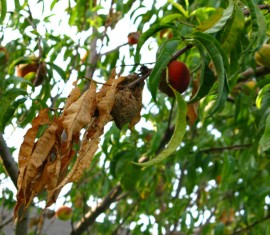
Often, the fungal mycelium remains dormant throughout the summer months, only becoming active in early autumn. This causes the ripened fruit to rot. Leaves turn brown, and the fruit rots en masse within a short period of time, with some drying out and remaining on the trees. Failure to treat the fruit promptly will lead to the expansion of fungal colonies, which will subsequently cause irreparable damage to the orchard. The apple trees will deteriorate year after year, eventually dying.
The first wormy fallen fruit of early apple varieties indicates the presence of moniliosis.
Since the thick skin of apples makes it difficult for fungal spores to penetrate inside, late winter varieties with characteristic thick skin are less susceptible to fruit rot.
Rotting of ripe fruits: methods for eliminating the problem
The fungal infection penetrates the fruit through damaged areas. Upon detecting the first signs of moniliosis, gardeners immediately take measures to address the problem. When treating apple trees with nearly ripe fruit, they use bacterial preparations and safe folk remedies. Additionally, during the fruiting period, they perform a number of preventative measures, such as:
- timely elimination of weeds growing near trees;
- periodic collection and destruction of fallen fruit;
- removal of damaged fruits from apple trees and subsequent disposal;
- pruning and removing dry bark, branches, leaves;
- providing chemical protection (1 month before harvesting);
- treatment of the trunk circles of infected trees copper sulfate (60 g / 10 l of water) or the drug "Hom" (80 g / 10 l);
- applying fertilizers before winter and digging the soil.
During the harvesting process, not a single fruit should be left on the tree, otherwise they will become sources of infection in the spring.
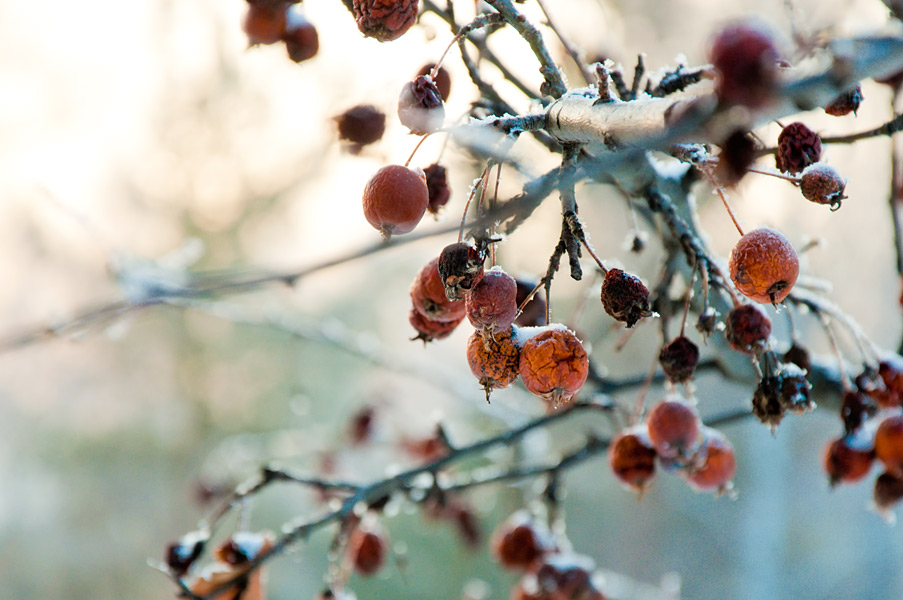
All apples affected by moniliosis, as well as cropped The bark and branches are burned. Alternatively, they can be buried in a hole at least 50 cm deep. All manipulations should be carried out outside the garden. Such waste should not be used for composting, as this will promote the further spread of fruit rot.
Moniliosis is a fungal disease common in northwestern And central regions of the Russian FederationIts treatment is a rather complex process that continues throughout the entire growing season. Achieving the desired result is only possible with proper implementation of all treatment procedures and regular preventative measures.