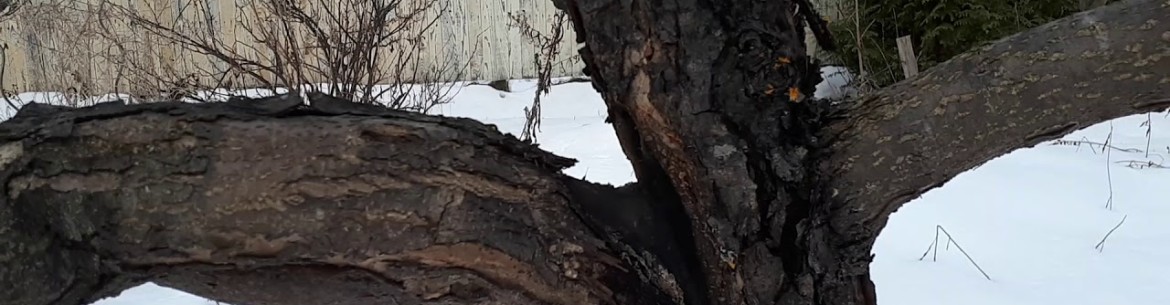
The bark and trunk of an apple tree are turning black: what's causing it and what to do?
When novice gardeners discover dark spots on their apple trees, they often ignore them. It's hard to imagine that seemingly harmless spots will lead to blackening and cracking of the bark, and ultimately, the death of the entire tree. That's why such a problem requires immediate investigation and corrective action.
Content
Causes of blackening of the trunk
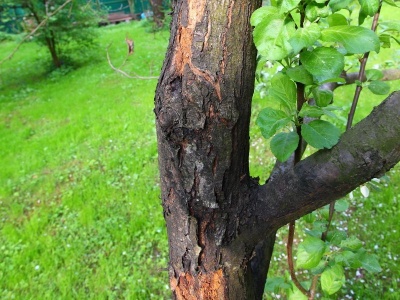 One of the most common causes of darkening of the trunk is the development of a dangerous disease "black crayfish" Lack of timely treatment leads to immediate damage to all parts of the tree.
This disease is treatable only in its early stages. To detect black cancer early, it's important to know its symptoms:
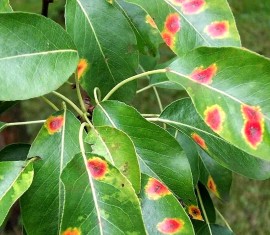
- Leaf spots. The first signs appear when the leaves emerge in spring. Initially, small, purple, round spots form on the leaves, gradually spreading across the surface. The center of the spots turns brown, while the edges remain purple. Over time, concentric rings and black pycnidia (fungal bodies) can be observed on the leaves.
- Premature leaf drop. Several weeks before the harvest ripens, apple trees begin to shed diseased leaves, negatively affecting the quality of the fruit.
- Fruit rot. Brown spots appear on apples and grow in size, covering the entire surface. A distinctive sign black crayfish consists of the formation of dark concentric circles on the fruits – pycnidia.
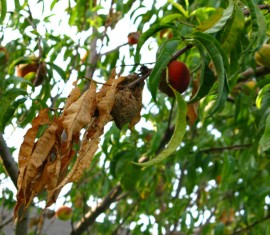
- Most of the fruit is mummified, preventing them from falling off but remaining on the tree even after the leaves have fallen. Dried apples have a rough surface and a charred appearance.
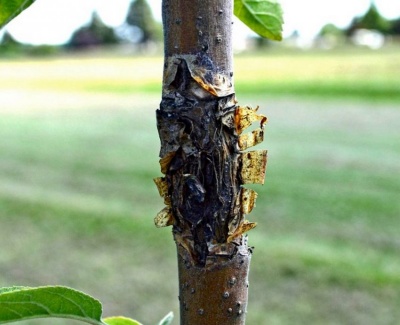 There are several known causes of apple tree diseases. black crayfish:
- AgeCases of infection of young trees are quite rare; it mainly affects older specimens. The older and weaker the apple tree, the greater the risk of black canker.
- Improper careInsufficient watering and untimely fertilization slow down tree growth and increase their susceptibility to disease.
- Sudden temperature changesIn early spring, bark unprotected by whitewash becomes very hot under the sun's rays. During this period, clear days are usually followed by frosty nights. As a result, the tree suffers from sunburn and frost burn, facilitating the penetration of infection into the wood.
- Incorrect pruningPruning too late significantly increases the risk of spreading black canker spores throughout the garden, as air temperatures become ideal for fungal growth. In this case, it's essential to disinfect the tools used and treat the cut areas with special solutions.
- Mismatch of cultivated varieties to the climate of a particular regionApple trees adapt poorly to climatic conditions, begin to weaken and lose resistance to diseases, including black crayfish.
- Unsuitable soilsCrops growing on loamy soils that are oversaturated with moisture are particularly susceptible to diseases.
Outbreaks of black cancer are especially common in the second year after abundant fruiting.
Insects play a significant role in the spread of black cancer, transferring fungal spores from infected trees to healthy specimens.
Recommended actions when blackening is detected on the barrel
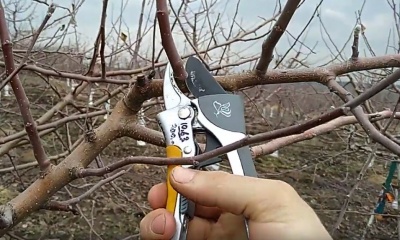 If suspicious spots appear, the damaged wood is cut out, taking a small portion of the healthy area. If a branch is being cut off, the cut is made approximately 3 cm closer to the trunk; if the trunk is being cut off, a few centimeters closer to the root system. When removing pieces of bark, also take a 2-3 cm portion of the undamaged bark. Fresh wounds are treated with ferrous sulfate or garden pitch. Cropped Branches must be burned outside the garden perimeter.
Young seedlings are usually pruned to their full crown, adhering to an important rule: the cut must be positioned above the graft. Within a year, the crown will return to its previous condition.
The shoots growing below the graft must be broken off, and from those growing above, only one branch must be left to form a new crown.
Due to poor wound healing in the summer, all treatments are recommended to be performed in the spring. Since black canker only occurs through unhealed wounds, it is necessary to inspect the orchard as frequently as possible, and cut off and burn any dead tissue found.
Rules for removing dried branches
 Before treating a blackened trunk and branches, it's important to remove all damaged tissue down to healthy tissue. The bark should be trimmed, leaving 2 cm of healthy tissue behind. The branch should be trimmed 15 cm below the blackened area, and the trunk should be trimmed in the same manner.
When pruning areas damaged by black cancer, it is worth taking extra centimeters to be on the safe side.
Cuts and pruning sites should be thoroughly disinfected with a 3% iron or copper sulfate solution. The dried wound should be sealed with garden pitch. After these treatments, the tree should be properly maintained.
Preventive measures
Preventing apple tree canker is a matter of care. This includes:
- Properly performed pruning improves air circulation, prevents fungal growth, boosts immunity, rejuvenates, and maintains the vitality of trees. The key is to perform this procedure in a timely manner.
- Mandatory disinfection of garden equipment before and after work.
- Autumn whitewashing of tree trunks to protect against rodents, as well as frost and sun burns.
- Remove dead branches, remaining leaves, and mummified fruit from trees, as these are sources of disease. All plant material must be destroyed.
- Apply fertilizers in a timely manner, using the manufacturer's recommended dosages. Trees with strong immunity are maximally resistant to diseases and pest attacks.
- Regular preventative treatment of the orchard with fungicidal preparations. Spraying the above-ground parts of the apple tree and the soil around the trunk with ferrous sulfate in late autumn. Bordeaux mixture (3%) or the drug "HOM".
- Cleaning of the detected wounds, including a small portion of healthy tissue. Treatment with a copper sulfate solution (3%), followed by application garden var.
Severely affected trees must be cut down, uprooted and burned, and the soil in the areas where they grow must be disinfected with special compounds.
Causes of blackening of various parts of the trunk and measures taken
Many novice gardeners are interested in the characteristics of black canker infestation of various parts of the trunk and the specific treatments for each of them.
Core
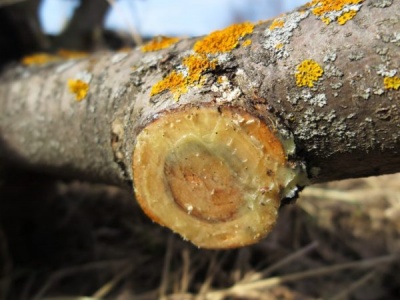 Internal damage to the tree indicates tissue death. Treatment will require removal of the entire shoot down to the living portion. Before surgery, the dead area is thoroughly inspected to ensure it is completely removed, otherwise the infection will continue to spread throughout the apple tree.
The cut site is disinfected, dried and coated with garden pitch.
The lower part of the trunk
The presence of blackening at the base of the trunk is the first sign of black canker. The tree can only be saved if the affected area is located above the graft. In this case, the apple tree is cut down to healthy tissue, and a new crown is grown from the stump.
If the area of damage at the bottom of the trunk is significant but not critical, the blackened fragment is removed and a bridge graft is made, which allows for the complete restoration of the cover.
During the treatment process, all damaged areas are cleaned down to a healthy place.
Bark of the trunk
Provided that fungus If the wood hasn't yet penetrated the trunk, and the upper parts are just beginning to turn black, the wood can be restored. It's important to cut all damage down to healthy areas, thoroughly clean the wounds, and treat them with a copper sulfate solution. Subsequently, the apple tree will require care consistent with basic agricultural practices: maintaining a proper watering and fertilizing schedule, timely and proper pruning, etc.
Features of blackening of the trunk
In some cases, the development of black cancer is accompanied by several other symptoms.
Drying out
This symptom indicates that the disease can only be cured to a certain extent. Affected areas that cannot be restored should be excised and burned, and living tissue should be treated with disinfectants, dried, and coated with garden pitch.
The appearance of wet areas
If a trunk damaged by canker begins to ooze, it means the dead wood is colonized by decay bacteria. In this case, it will need to be stripped down to healthy tissue and then treated with a copper sulfate solution, which effectively kills harmful bacteria and fungi.
Formation of white growths
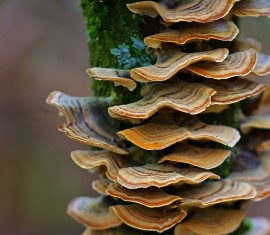
The appearance of white growths is a sign of an apple tree infestation with tinder fungi. Since these organisms prefer to grow on dead wood, their presence indicates that the tree is diseased.
If it is not too late, you need to immediately begin getting rid of fungal growths and treating the disease.
Bark cracking
The appearance of cracks in the bark is the first sign of black canker in fruit trees. Saving the tree is possible through a series of treatments: stripping down to healthy tissue, disinfecting with copper sulfate, and treating with garden pitch.
If the total area of the trunk is affected by more than 50%, the effect of treatment will be zero.
Eliminating black spots
If dark spots are detected on the trunk bark, it's important to immediately treat them properly, as their presence indicates the development of black canker. The treatment plan is as follows:
- cleaning of affected areas;
- pruning to live bark;
- disinfection;
- applying garden pitch to the dried area.
Blackening of trunk branches
Severely affected trunk branches are recommended to be pruned and burned. An apple tree with a well-developed root system can form a new crown in just two years. As a result, the gardener will have a rejuvenated tree that produces a bountiful and high-quality harvest.
Useful tips and recommendations
To prevent possible apple tree diseases, you need to adhere to a number of basic rules related to garden care:
- Inspect fruit trees as frequently as possible to detect potential damage. This procedure is especially important for older trees, which have weakened immunity and are most susceptible to infection.
- Regularly remove dead and damaged branches, regardless of the growing season. It's important to eliminate the source of infection as soon as possible, especially since healthy apple trees tolerate pruning well.
- Conduct periodic rejuvenating pruning to promote healthy trees and future harvests. It's important to remember that canker is a disease that affects older and weakened trees.
- Don't neglect preventative spring spraying of apple trees with fungicides, such as Bordeaux mixture. Preventing the development of a disease is much easier than curing it.
- Periodically treat the garden with insecticides against harmful insects that carry spores of dangerous fungi.
- In spring and autumn, apply a lime solution to the lower parts of the trunk and main branches.
The ideal solution would be to re-whitewash the trunks in late autumn and early spring; this will prevent the appearance of bark burns caused by temperature fluctuations.
Proper care and provision of apple trees with the necessary wintering conditions will allow you to grow healthy specimens that will delight you with a bountiful harvest every year.