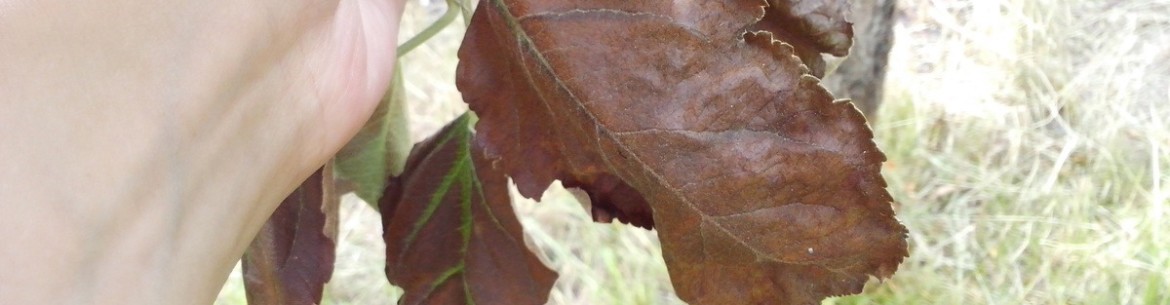
What to do if brown leaves appear on an apple tree
During the growing season, small brown spots may appear on apple tree leaves, which eventually grow in size and eventually become a complete lesion of the foliage. Experienced gardeners identify a number of causes for this phenomenon. It's important to promptly identify the underlying causes and address the problem.
Content
- Reasons for changing the natural color of an apple tree to brown
- Diseases and pests
- Preventive measures for apple tree diseases and the appearance of brown leaves
- Treatment of apple tree leaves with biological preparations
- Methods for combating brown leaves on apple trees
- Signs of a lack of nutritional supplements
Reasons for changing the natural color of an apple tree to brown
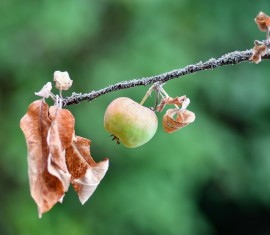
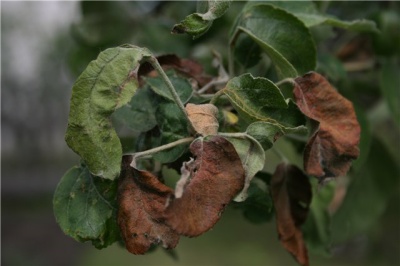
Brown and russet spots on a fruit tree aren't just unsightly; they can also significantly reduce the apple harvest. The discoloration can be caused by a fungal infection. In this case, the gardener could lose not only the fruit but also the entire tree.
Typically, brown spots become visible on the surface of leaf blades in the middle of summer.
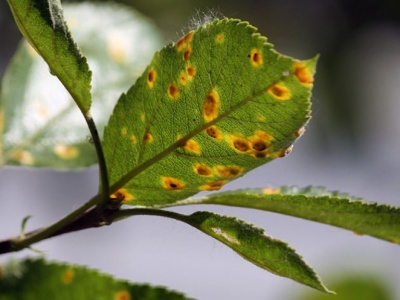 These degenerative changes spread rapidly throughout the entire canopy. This most often occurs during the season of prolonged rainfall. Once the disease has spread through the canopy, it begins to attack young shoots and skeletal branches, and by harvest time, even the fruit is covered with spots. This last stage culminates in apple rot.
To develop the most effective plan to save the garden, it's important to determine the cause of the disease as accurately as possible. In addition to infection, this could be due to a violation of agricultural practices or a lack of proper care. The appearance of the spots and accompanying symptoms will help identify the culprit.
Diseases and pests
Apple tree leaves usually begin to change color from green to brown due to a fungal infection or an attack by insect pests.
Fungal infections
One of the most likely and common causes of brown spots on apple trees is a fungal infection. Pathogenic spores penetrate the tree's tissue, causing unnatural discoloration of the leaf blades and then the spread of zigzag-shaped growths.
In windy weather they spread very quickly throughout the crown.
Scab
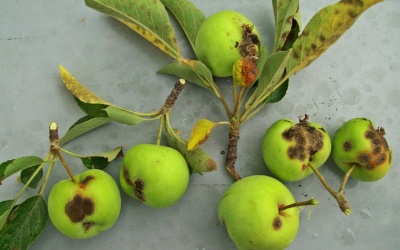 There is no disease more terrible for an apple orchard than scabA fungal infection spreads rapidly throughout the tree, affecting all areas: bark, branches, and leaves. Optimal conditions for development scabies High humidity over a long period of time and cool temperatures are generally considered the most effective treatments. To prevent the rapid spread of infection throughout the garden, treatment measures must be taken very quickly. Preventive measures are recommended even before fruit bud break.
Copperhead and mineral deficiency
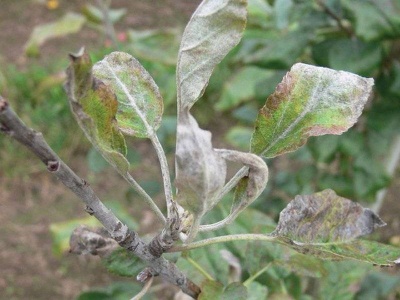
In addition to the infectious nature of foliar discoloration, this degenerative phenomenon can be caused by a lack of minerals in the soil or by apple leafhopper infestation. In addition to spots, a coating may appear on the leaf blades, ultimately resulting in the crown being completely bare.
Weather conditions
Apple tree spots most often appear in the northern regions of the country. This is usually caused by sudden changes in weather conditions: alternating frosts and thaws, a lack of sunny days, and excessive precipitation.
Lack of nutritional supplements
Apple trees are very sensitive to the lack or excess of certain elements. This is primarily evident in the appearance of the vegetative parts. Therefore, fertilizers must be applied regularly and on schedule. Only proper nutrition will ensure the apple tree's normal development.
Preventive measures for apple tree diseases and the appearance of brown leaves
 In order to keep garden plantings in order, it is necessary to regularly carry out a number of preventive measures to prevent the development of one or another disease.
These actions include:
- maintaining the correct distance when planting garden crops and choosing the right “neighbors”;
- timely detection of affected areas on trees and their neutralization – pruning, cleaning and treatment with garden pitch;
- carrying out preventive spring treatments;
- use of folk remedies at the first signs of the disease.
A timely inspection of the garden will ensure its long life and active fruiting.
Treatment of apple tree leaves with biological preparations
Biological products have a gentler and more protective effect, as they are based on naturally occurring toxins. Nevertheless, they effectively prevent the emergence and proliferation of pathogenic fungi, boost the tree's immunity, and repair the damage caused.
The most suitable biological solutions that improve the results of fighting brown stains are:
- Trichodermin;
- Planriz;
- "Phytodoctor".
They are easy to prepare at home and are harmless to humans and beneficial insects.
Methods for combating brown leaves on apple trees
If you discover that brown spots on the leaves of stone fruit crops are caused by a pathogenic fungus, treatment should begin immediately. Fungicides that destroy the spores and fruiting bodies of the parasite can help. Suitable treatments include:
- "Topaz";
- "Topsin";
- Nitrafen;
- Fitosporin.
There are stronger penconazole-based products.
Remember that all products must be used strictly according to the instructions provided. Choose the right time for application and prepare the precise concentration of solution appropriate for your specific problem. Also, remember to use protective equipment.
Copper-containing drugs
 Often, foliar damage is caused by a lack of copper among the nutrients supplied to the tree from the soil.
The most common copper-containing medications are:
- Abiga Peak;
- Blue Bordeaux;
- "Kuproskat";
- «Champion".
These mixtures are used as root dressings. They can also be used to create a protective film during spring treatments or to eliminate rust.
Sulfur-containing drugs
To remove brown stains from wood, it's necessary to regularly treat it with sulfur-containing products. The following are most commonly used for this purpose:
- colloidal sulfur solution;
- "Cumulus".
These preparations are applied to the leaves before and after flowering of the crop, and are also used for glaze plants.
Signs of a lack of nutritional supplements
Besides leaf color changes, there are a number of other signs that indicate a problem. These directly depend on the micronutrient the apple tree is deficient in and may vary slightly. They look like this: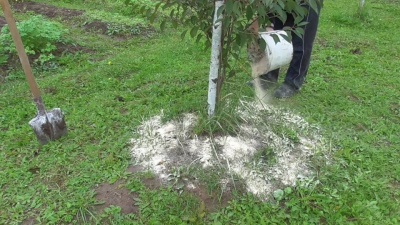
- Low calcium levels – the tips of the leaf blades curl up, then the green mass falls off, the application of calcium sulfate is required.
- Boron deficiency – this looks like yellowing of the foliage, the appearance of brown spots and dead areas on the leaves, treatment with a 2% solution of boric acid is necessary.
- Magnesium deficiency – brown, yellow, and brown spots appear on the leaf blades, which spread into large patches, and the leaves curl over time. Fertilization will be necessary. dolomite flour in the trunk zone.
- Phosphorus deficiency – a lack of new shoots in the spring, buds failing to open, and yellowing, curling, and brown spotting of leaves in the summer. Superphosphate can help solve this problem.
Timely top dressing Apple trees and regular care will help bring its appearance back to normal in just a month and a half.
Brown spots on an apple tree are a very alarming sign for a gardener. Only immediate action will help restore the tree and maintain its future fruitfulness.