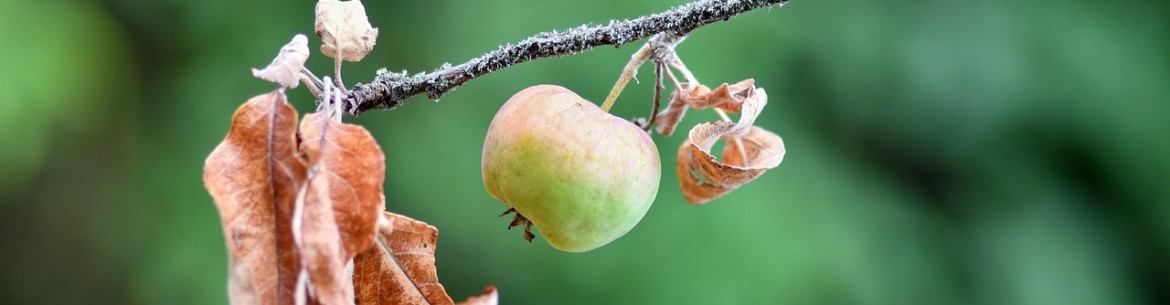
Why are apple tree leaves drying up and what should I do?
Drying green mass on an apple tree's crown signals a developmental problem. This could be due to care errors, weather conditions, poor planting site selection, or any number of other factors. In any case, identifying the cause will help resolve the issue more quickly.
Content
- Why are the leaves on my apple tree drying up?
- Diseases and pests
- The apple tree has few leaves and the branches are drying up.
- Sudden drying of branches and leaves together
- If the leaves on young apple trees dry out
- Control measures
- Reasons for drying out in different months
- Some nuances of the problem
- Conclusion
Why are the leaves on my apple tree drying up?
There can be a variety of reasons for leaves to dry out. The main ones are: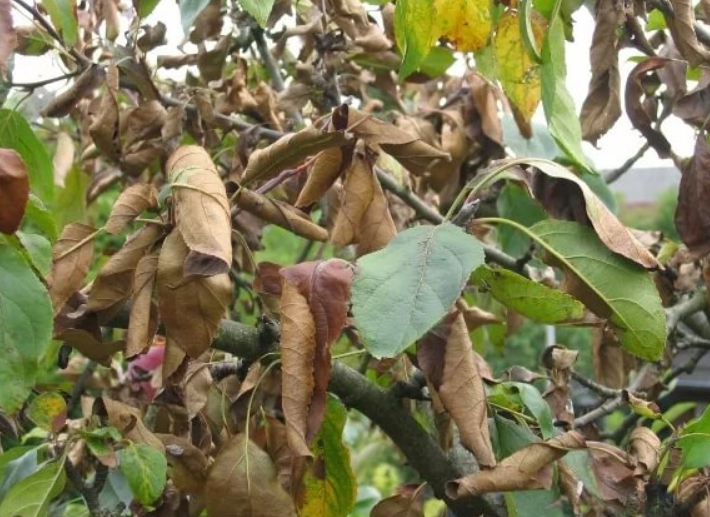
- insufficient lighting and, as a consequence, disruption of photosynthesis;
- lack of moisture;
- excess of organic fertilizers (not rotted) manure), which causes root burns and improper functioning of the absorption system;
- mechanical damage to branches or roots;
- insect pest attack;
- infection with various diseases.
Analyze the latest agricultural practices, inspect the tree planting site, check for any of the above factors, and you will find the root of the problem.
Diseases and pests
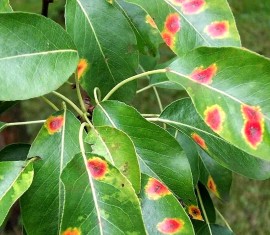
Various fruit tree diseases caused by pathogenic fungi can cause uncontrollable leaf drying on apple trees. For example, with infectious Cytosporosis, dark cankers begin to appear on the trunk and branches, quickly spreading throughout the tree. If these cankers penetrate the wood, they disrupt normal sap flow, causing the green mass to dry out.
 With scab, fruits and leaves become covered with dry brown spots. Powdery mildew gives a characteristic gray or white plaque, which darkens over time. On a tree affected by bacterial blight, the leaves darken and dry out, but do not fall to the ground. At the same time, water-soaked spots form on the bark.
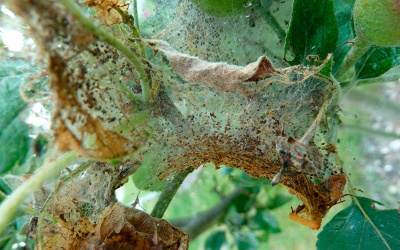
One of the most common apple pests is spider mite – it draws nutritious juices from the greenery and weaves a web on the remaining stalk. Because of aphids The apple tree leaves dry out and curl up, after which it moves to young shoots.
The apple tree has few leaves and the branches are drying up.
With the arrival of spring, apple tree branches become covered in fragrant blossoms, followed by lush foliage. If, with the onset of warmer weather, only a small amount of foliage has emerged on the tree, and by summer, it has begun to fall off entirely, the cause should be sought in the failure of the plants to survive the winter.
Upon closer inspection, frost damage to the branches becomes apparent. The bent shoots break quite easily.
To alleviate the consequences of harmful wintering, you need to do the following:
- Replenish nutrient balance by applying fertilizer after harvest.
- Water the tree trunk circle generously.
Weak trees suffer from excessive production of gum, which clogs the flow of sap.
Apple trees unprepared for winter have only enough nutrients left over from the previous season to develop a small portion of their foliage. A catastrophic lack of micronutrients leads to the drying out of the foliage.
Sudden drying of branches and leaves together
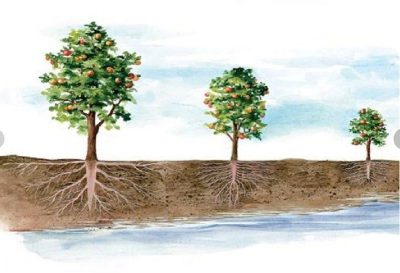
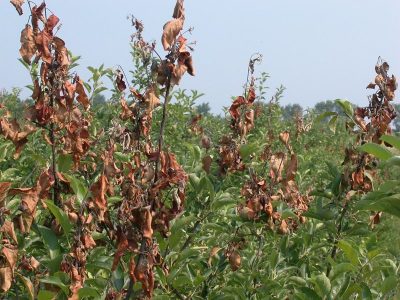 The main cause of this problem is usually the very close proximity of groundwater. Young apple trees are not susceptible to this phenomenon, as their root system is still very close to the surface and receives sufficient oxygen. Typical age-related changes lead to root overgrowth, their penetration into moist soil, and root rot. Nutrients can no longer be adequately delivered to the branches and foliage, which leads to their drying out.
Sometimes, degradation processes may begin on only one side of the tree. But in any case, they will gradually spread to the entire plant, leading to its death.
The same drying out can occur as a result of long spring floods and a prolonged rainy season.
If the leaves on young apple trees dry out
When planting apple tree seedlings, follow all the necessary agricultural practices. This will help avoid problems with future growth of the trees. Locations unsuitable for young plants include:
- Close proximity (less than 3 m) to other mature trees with a developed crown and powerful root system.
- Lack of sufficient sunlight, tree deterioration.
- High groundwater level.
- Places subject to flooding during heavy rains.
Besides an unsuitable site, the following reasons can cause the leaves of seedlings to dry out:
- excessive deepening of the grafting site (below 8 cm);
- excess of fertilizers;
- top dressing manure, which has not undergone the process of rotting;
- flaw glaze in summer;
- planting after the sap starts to flow.
Control measures
 Once the cause of drying and browning apple tree leaves has been identified, immediate action should be taken to address it. A tree in an unsuitable location should be replanted, and any damaged parts should be removed if they are damaged by frost cracks. Remember to regularly water and mulch during the summer. If the leaves are drying due to disease or pests, spray the tree with pesticides and apply additional nutrient fertilizers. If serious, incurable diseases are detected, remove the affected parts of the apple tree, stripping the tree down to healthy wood.
The sooner you take steps to eliminate the cause of the drying leaves, the greater the chance of saving the tree.
Reasons for drying out in different months
The reasons for dry leaves may vary depending on the month the problem is detected.
In June
 The most likely causes of green foliage drying out in June are waterlogged roots during floods, freezing of the plant in winter, or an overabundance of seasonal fertilizer. Bark damage by small rodents can also be a cause. A lack of supplemental nutrition reveals the problem at the very beginning of the summer season.
In August
If the leaves on a fruit tree begin to deteriorate towards the end of summer, the likely causes are likely a lack of water, nutritional deficiencies, fungal infection, or insect pests. The leaves lose their turgor and droop. The tips of young shoots are the first to deteriorate.
Damage to a tree by pests and diseases can be detected by careful inspection.
Some nuances of the problem
In some cases, it is possible to quickly determine the reasons for the appearance of dry leaves on a particular part of the tree.
The upper leaves are drying out
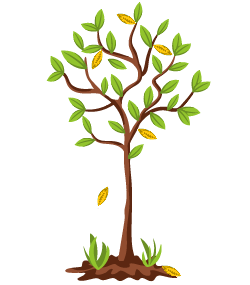 This phenomenon is usually caused by insufficient watering during hot weather or damage to the root system. You should also inspect the plant for damage. spider mite.
The edges of the leaves are drying out
The two most likely reasons are:
- bacterial infection;
- excessively wet soil.
The leaves dry out and change color.
Blackening of the green mass usually accompanies infection of the tree with cytosporosis, scab, or bacterial blight. It can also occur in May with a sudden return of night frosts.
A lack of nitrogen in the soil immediately affects photosynthesis, which in turn causes yellowing of the leaves. However, drying out and falling off are not a necessary consequence. Another possible cause is under-watering.
Pale leaves on an apple tree indicate that the tree is infected with powdery mildew or milky shine.
Conclusion
There are many reasons why apple tree leaves dry out. They are mostly related to poor agricultural practices. A weakened tree is much more susceptible to infection or insect attack.