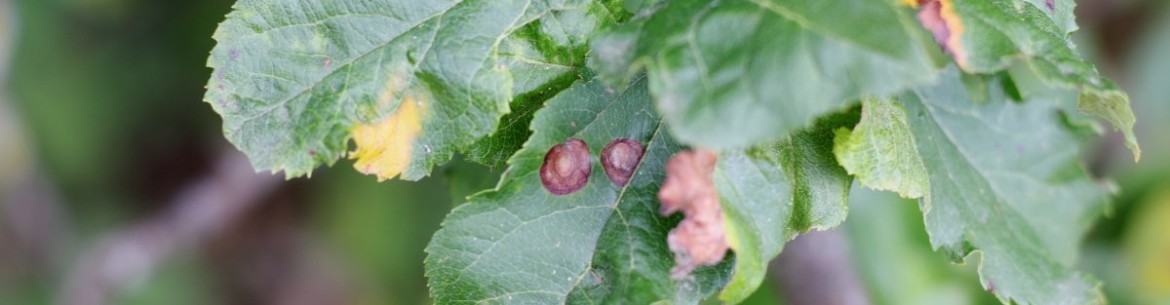
Brown spots on apple tree leaves: what they are and how to treat them
Brown spots on apple tree leaves are a fairly common problem faced by gardeners during the growing season. These defects often lead to the drying out and death of the entire tree, so when they are discovered, it's important to determine the cause and implement a series of measures aimed at saving the orchard.
Content
Characteristics of the disease
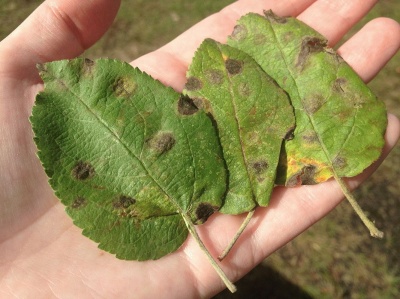 Brown or russet spots not only spoil the appearance of fruit trees but also significantly reduce yield. If the disease is caused by a fungal infection, the risk of tree loss is quite high.
General signs
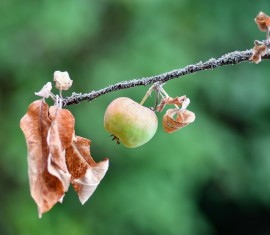
 Brown spots on apple leaves can have various shapes: oblong, columnar, or round. Their size ranges from small dots to large droplets. Typically, the spots appear as tiny specks, eventually spreading across the entire surface of the leaf blade. The spots can appear both in the center and along the edges of the leaf.
The nature of the appearance of brown spots directly depends on the factor that provokes their appearance.
Causes of occurrence
This defect typically appears in midsummer and spreads rapidly. Favorable conditions for this include periods of prolonged rainfall. Following the leaves, the disease attacks branches and fruits, which by harvest time become covered with dark spots and begin to rot. In addition to high humidity, the following factors contribute to the appearance of spots:
- lack of sunlight;
- a prolonged spring with frosts.
Spots can also develop as a result of pest attacks or damage to the apple tree by one disease or another.
Fungal infection
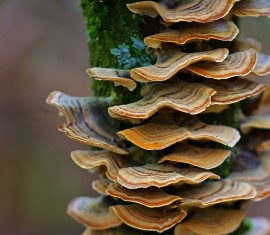
Fungal diseases occur when apple trees are infected by phytopathogenic microorganisms or spore-forming pathogens. This causes spore-forming conidia and mycelium to germinate within the tree tissue. These initially appear as brown spots. fungus Subsequently, it transforms into zigzag growths. The easily transported spores are quickly spread throughout the garden by wind, rain, and insects.
Copperhead and mineral deficiency
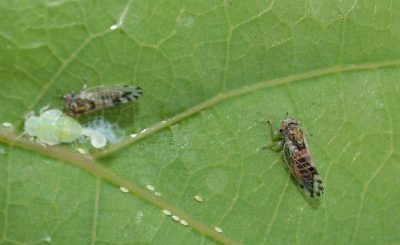 The apple leafhopper is an insect from the psyllid family (Psylla mali Schmd.) that attacks fruit crops. The pest's larvae suck sap from the tree, simultaneously contaminating the damaged areas with excrement in the form of sugary, gray-white pellets. As a result, the apple tree loses buds, ovaries, and flowers, and the formation of fruit buds responsible for next year's harvest is delayed. New leaves are smaller than the previous ones, and brown spots appear on them, which enlarge over time.
Late-flowering varieties with dense crowns and thick bark on fruit shoots are the first to suffer from the attacks of leafhoppers.
Semi-dwarf and dwarf apple tree varieties are less susceptible to this pest. The insect is particularly prevalent in orchards located near forests. The apple leafhopper reproduces most actively in warm and humid conditions.
Lack of nutrients leads to deterioration of the tree: the appearance of spots on the leaf blades white plaque and brown spots. The leaves then dry out and fall off.
Scab
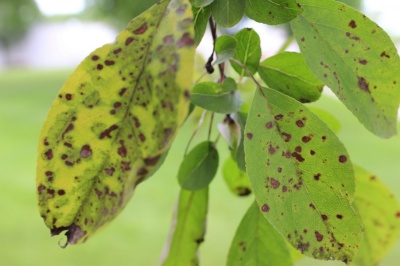 Scab – is a disease caused by the fungus Venturia inaequalis. All areas of affected apple trees become covered with olive-colored spots, which eventually turn brown and crack.
Fungal infections thrive in low temperatures and high humidity. Scab control methods include comprehensive treatment and preventative measures.
Necrosis or bacterial burn
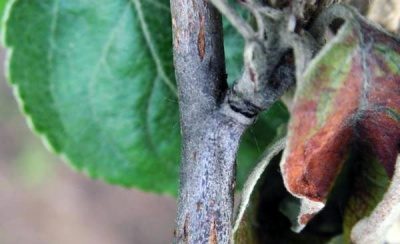 This disease spreads rapidly through the sap channels, affecting the soft tissues of the apple tree. Brown spots form between the veins on the leaf blades, and white discharge appears on the bark, which later also turns brown. Wilting of new shoots begins at the tips, and then they dry out along their entire length.
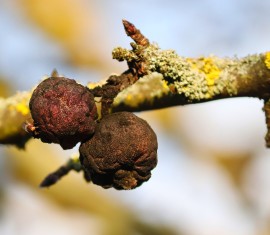
Flowers and buds fall off, and a sticky coating appears on the fruit. If left untreated, the fruit mummifies and turns black.
Phyllostictosis (brown spot)
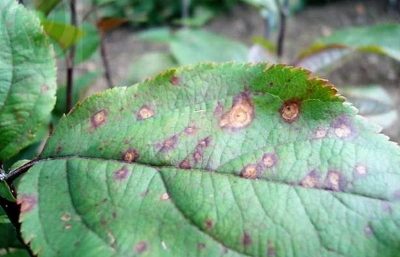 The main symptom of this disease is the formation of dark brown specks on the leaves. The spotted lesions cause tissue death, leading to wilting and curling of the foliage.
Like all other fungal diseases, brown spot is more active in warm, humid conditions. The infection primarily affects trees with weakened immune systems for some reason.
Weather conditions
Brown spots on leaves typically appear on apple trees growing in northern regions. This is caused by a lack of sunlight and sudden temperature changes (thaws and frosts).
Incorrect application of fertilizers
The absence or excess of any given element in the soil immediately affects the health of fruit crops. This is primarily evident in the appearance of their vegetative organs. Preventing this problem is possible only by strictly adhering to the fertilizing regimen and dosage of applied fertilizers.
Proper treatment and processing of the orchard
The apple tree treatment method depends directly on the cause of the spots. Treatments can be one-time or comprehensive.
The principle of feeding
Signs of nutritional deficiency vary depending on the specific nutrient the tree needs. Therefore, before applying fertilizer, it's important to carefully inspect all parts of the apple tree. For example:
- Calcium deficiency manifests itself not only by curling and dropping leaves, but also by the appearance of dark brown spots on them. This problem is easily corrected with fertilizers containing calcium sulfate.
- Boron deficiency causes leaf tips to curl, and brown spots to appear on the leaf blades, which then grow and develop into dead areas. This leads to premature leaf fall. In this case, trees are sprayed with a boric acid solution.
- Insufficient magnesium in the soil manifests itself as brown spots that gradually spread across the entire leaf blade. Eventually, the leaves dry out and fall off. To solve this problem, apply potassium magnesium sulfate or potassium magnesium sulfate to the area around the tree trunk. dolomite flour.
- Low phosphorus levels in the soil are especially noticeable with the onset of spring: the formation of new shoots and buds slows. During the growing season, brown spots appear on the leaves, gradually increasing in size. This problem can be avoided by using superphosphate.
Leaf spotting in each case leads to premature leaf fall, which, in turn, hinders the apple tree's vital processes. All of this negatively impacts the quantitative and qualitative yield of the harvest.
Timely application of fertilizers and proper agricultural practices will restore the apple tree to a healthy state in 30–40 days.
Fight against fungal diseases
The presence of any fungal disease requires immediate treatment. Otherwise, the infection can spread throughout the garden within days, affecting all crops. The specifics of treating apple trees to combat fungus depend on the specific growing season:
- until the buds swell – use “Hom” or copper sulfate (3%);
- flowering phase – spraying with biological preparations “Fitosporin”, “Mikosan”, “Integral”;
- final formation of buds - application copper sulfate (1%);
- fruit ripening – treatment with baking soda (2%).
After harvesting, the tree is sprayed with "Skor." Excessively damaged shoots are removed, and the cut areas are treated with a protective coating. copper sulfate And garden pitchThe following fungicides are also effective in combating fungal diseases:
- "Topaz";
- "Nitrofen";
- Topsin.
All of them have a rapid effect on fungal spores.
The use of chemicals requires strict adherence to the dosages indicated in the instructions, otherwise it can cause harm to the leaves and shoots of trees.
Copper-containing compounds
Copper-containing products are used to replenish copper deficiency and combat fungal infections. The most effective of these are:
- Blue Bordeaux – is a dry substance produced in granular form. Its use not only has a beneficial effect on apple trees but also helps destroy pest colonies.
- Abiga Peak The product works by contact. Its use is only permissible on dry, windless days.
- "Kuproskat" contains nitrogen and copper. It is applied in low concentrations under the roots. It simultaneously acts as a fertilizer and a disease control agent.
- "Champion" – This product is intended for use only in spring and fall. It forms a protective film on leaves, preventing fungal penetration into the tissue.
- "Hom" – has a local, systemic, and contact effect. Effectively treats diseases before the fungus sporulates. In small concentrations, it stimulates photosynthesis, chlorophyll production, and carbohydrate and nitrogen metabolism. This product can be used up to six times during the growing season.
- Oxychom – used for therapeutic and preventative purposes at the early stages of infection. Its protective effect lasts for a long time.
Sulfur-containing preparations
Sulfur-containing products quickly suppress pathogenic fungi, but their effectiveness is quite limited—1 to 2 weeks—and in humid conditions, they wash off even faster. According to experienced gardeners, the most effective products in this category are the following:
- Colloidal sulfur solution ("Kumulus") – a substance available in the form of a fine powder, paste, or granules. It is used to combat fungal diseases, acidify soil, and promote the development of beneficial microorganisms. The product combines well with insecticides and fungicides, allowing their simultaneous use.
- Thiovit Jet – allows you to get good results in eliminating not only fungal diseases, but also pests (it has an acaricidal effect).
- Sercadis – has high biological activity, is not washed out of the soil by precipitation, and does not require the additional use of other fungicides.
Sulfur-containing preparations are used before and after the flowering period.
Biological agents
Biopreparations are characterized by a gentle and sparing effect, boosting the tree's immunity and preventing the spread of fungi. These products can be easily prepared at home by mixing the ingredients in the correct ratio. The most popular of these are:
- "Phytodoctor"
- Trichodermin;
- Fitosporin M;
- "Planriz".
Folk methods
In addition to chemical and biological sprays, you can also use homemade decoctions and infusions to spray apple trees. The most common is boiled horsetail. To prepare it, add half a bucket of horsetail to water, boil, and let it sit for 24 hours. Strain the solution before applying it to the apple trees.
Preventive measures
Maintaining a healthy apple orchard requires following basic agricultural practices and regularly performing preventative measures. Key recommendations:
- maintaining a distance when planting seedlings;
- constant inspection of fruit crops, immediate removal of affected fragments upon detection;
- treatment of affected areas with special agents;
- choosing a suitable landing site;
- compliance with the regime glaze and application of fertilizers;
- cleaning up the garden area of waste (fallen debris, leaves, dry branches) and then burning it.
The appearance of spotting on an apple tree is a serious symptom that requires immediate action. Full restoration of the tree is only possible if the source of the problem is identified and the correct treatment is chosen.