
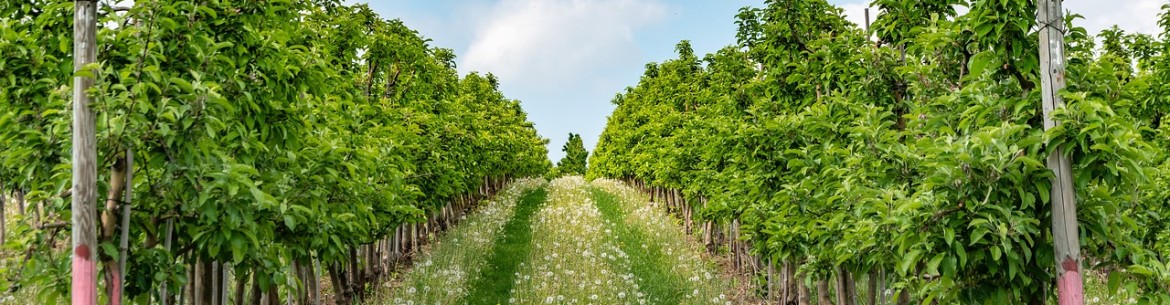
Rules and subtleties of planting apple trees with a closed root system
Planting fruit, berry, and ornamental crops with closed root systems helps achieve excellent results in tree development and fruiting.
Content
ZKS - what is it?
An apple tree grown in a container or other container from the very first days is considered a closed-root fruit tree. This method of growing seedlings has an advantage over bare-rooted trees: the root system is covered and undamaged. When purchased, the plant is not removed from the pot, preventing damage to the roots. The tree is then planted in prepared holes along with the root ball.
These seedlings don't experience stress when transplanted, although they develop slowly in the first year. This happens because the roots are beginning to acclimate to the new soil and grow deeper.
Before purchasing apple tree seedlings, you should ask the seller what kind of fertilizers were applied, so that you can apply the same ones at first. top dressingThese steps will help the plant better tolerate transplantation and quickly settle into its new location.
A fruit tree dug up with a large lump of soil and immediately packed in a ventilated bag, burlap, or mesh is also considered a closed root system apple tree. In this case, it's important to ensure that the soil doesn't fall off the roots and that the roots themselves don't stick out in all directions. The seedling should be planted as soon as possible.
Pros and cons of closed root systems in apple trees
The main advantages and disadvantages of seedlings with a closed root system:
- Full adaptation to the new location.
- Possibility of non-traumatic transplantation of planting material throughout the growing season – from spring to autumn.
- The ability of seedlings to take root in soil treated with herbicides.
- Convenient transportation and storage of apple trees
- High material and labor costs for soil, containers and planting.
- Seedlings propagated by budding or the knip-boom system are unsuitable for cultivation.
- The seedlings weigh a lot.
- In the first months, the planting material develops poorly due to disruption of growth in the soil space.
- Problematic cultivation in the first years due to additional work on storage and replanting of the plant.
Apple trees are grown in specialized nurseries under closed root systems. This method increases the yield of seedlings per hectare and also makes it possible to replant land unsuitable for agriculture.
Optimal planting time and features depending on the season
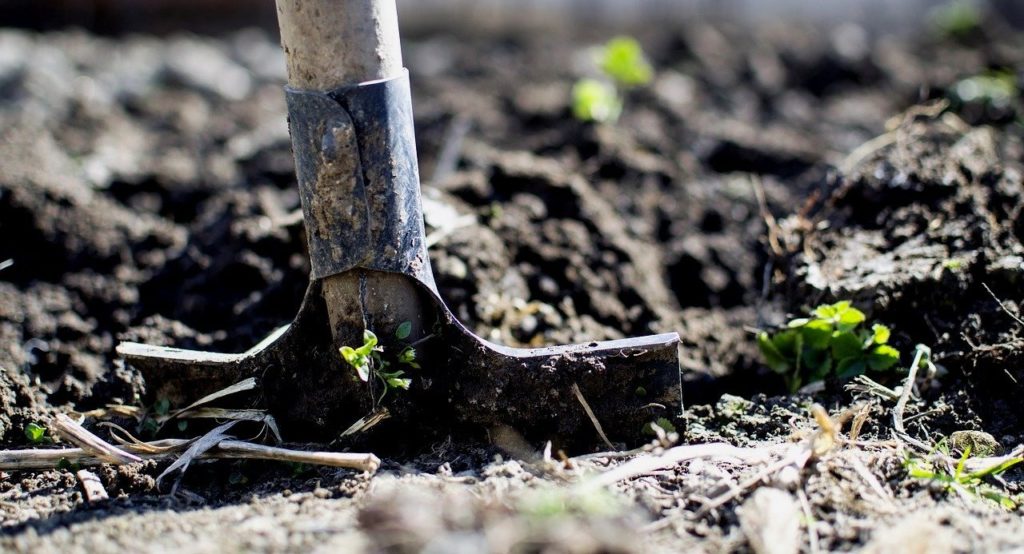
Planting material with a closed root system is ready for planting in the ground at any stage of the growing season: from the moment of bud swelling, active flowering, the growth stage, and until the time after the leaves have completely fallen.
Apple trees purchased from a specialized nursery were kept under cover or protected from the sun for a long time under a cloth. Such trees should not be planted immediately after purchase; it's best to place them in a sunny spot for a couple of days.
In the spring
Planting of seedlings in the spring is carried out immediately after the soil has thawed, usually at the end of April or the beginning of May.
You should wait until there are no night frosts. If the apple trees were stored indoors where the temperature was below freezing, the sudden changes in night and day temperatures can cause severe shock to the seedlings, freezing the shoots and buds. And during the day, the sun will burn the bark and cause it to crack.
In spring, apple trees should be pulled out into partial shade before planting, and then brought back indoors at night.
There are hardened apple tree seedlings with a closed root system, which were overwintered outdoors in an insulated container. These trees are planted immediately after purchase.
In summer
In summer, it's best to plant an apple tree on a dark, cloudy day or in the evening. The seedling should be shaded from direct sunlight for the first week. To do this, drive stakes around the tree and stretch a white sheet over it to evenly diffuse the sunlight. This will protect the leaves from burning. On very hot days, water and mist the seedling regularly.
After planting the plant in the hole, keep the soil moist at all times, and avoid watering with cold water. Otherwise, the roots close to the soil surface will begin to die, which will delay the apple tree's development and eventually lead to its death.
In the fall
In the fall, the seedlings should be planted two to three weeks before the onset of frost. This type of planting requires insulating the apple tree trunk. Seedlings purchased from a nursery are kept in pots about 40–50 cm high; this is the depth at which the roots grow. During planting, they will freeze in the soil, so they should be insulated with straw, spruce branches, and humusIn spring, the insulation must be removed and the tree trunk circle must be cleared.
Regardless of planting time, it's a good idea to insulate the apple tree. This provides additional protection against mice and rats. To do this, wrap the trunk with a protective material or wire mesh, which can be stuffed with fallen leaves for insulation.
Technology of planting apple tree seedlings with a closed root system
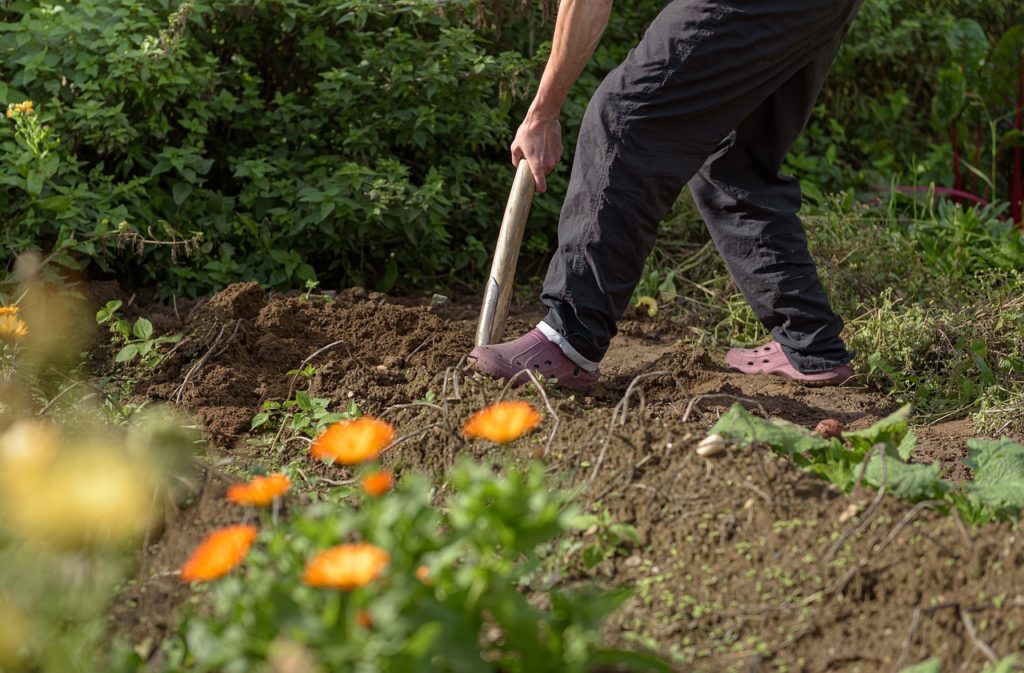
When planting a seedling, first remove it from the container correctly. It's important not to disturb the integrity of the root ball. To achieve this, the day before planting, allow the root ball to become completely wet, but not too much. Next, carefully remove the seedling, being careful not to damage the small roots near the edge of the container. If roots are visible at the bottom of the pot, ensure they don't break off. If roots are damaged, sprinkle them with charcoal to prevent pathogenic bacteria or fungi from entering the wounds.
It's best to use two people to remove large planting material from the pot. Alternatively, you can cut it, break the container, and remove it from the root ball.
If the roots are deeply entangled in the soil, don't break it up; plant the tree directly into the hole. The hole for the apple tree should be prepared a month before planting. It should be 70 cm deep and 80 cm in diameter. The first layer of soil should be mixed with three buckets of soil. humus, compost, and a glass of mineral fertilizer. Fill the hole with this fertile layer and water with a bucket of water.
In the fall, prepare the hole a couple of weeks in advance. It's recommended to plant the apple tree so that the root ball is above ground level, just like in the container.
After planting the seedling in the hole, it must be filled with soil and well compacted, and watered with a bucket of warm water.
A crooked apple tree trunk needs to be straightened by tying it up in several places.
Typically, one- or two-year-old seedlings are planted; apple trees older than four years are sold not in containers, but with a large lump of soil wrapped in metal mesh. When planting in open ground, this mesh does not need to be removed; it decomposes in the soil within a couple of years. If such a tree is planted correctly and the roots are not damaged, the first apples can be harvested within a year.
A columnar apple tree produces fruit well in a small plot. The distance between plantings should be at least 65 cm, and between rows, 1.5 m. This variety, with a closed root system over a year old, takes root much better than one with exposed roots.
If you didn't manage to plant your fruit crop before the frost, it's best to store it in a cellar or insulate it thoroughly for the winter. Only plants with completely fallen leaves and dormant plants should be stored in the cellar. The soil in the container should be kept constantly moist.
If you don't have a cellar, you can store the seedling outdoors, insulating the container and trunk. Cover it with fallen leaves, sawdust, and spruce branches.
If the covering material settles, add more and insulate with snow in the winter. Cover the trunk for the winter with several layers of white fabric. This provides additional protection from cold and pests.
How to choose the right seedling
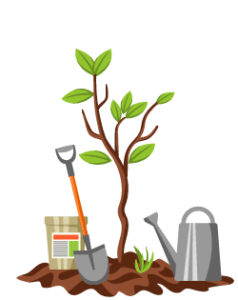 Selecting a seedling variety is an important step in growing a tree. It's best to choose varieties that are suited to the temperate climate or the weather conditions in your region.
- You shouldn't buy an apple tree from overseas, as it's unlikely to take root.
- In order for fruit crops to bear fruit regularly and abundantly, it is necessary to purchase regional varieties that are adapted to the region's climate.
- It is best to purchase good seedlings from your nearest nursery or garden store.
- When choosing planting material, pay attention to the fruiting period. Summer varieties yield in late July-August, while autumn varieties yield in late autumn.
- Ideal seedlings are one to two years old; they take root faster and are less susceptible to disease.
- To determine the age of a tree, you need to look at the branches: annual plants have none, while biennials have three branches growing at an angle of 45 or 90 degrees.
- An important feature of a good seedling is its healthy and white color. cut Root system. If it's gray, the roots are frozen or rotted. They should be up to 35 cm long.
- Poorly grown seedlings have various growths and swellings on their roots and leaves – this is a clear sign of a sick tree.
Note! There are many apple tree varieties, differing in flavor, origin, disease resistance, and climate. Recently, unique varieties of this fruit crop have been cultivated in Russia:freshness», «Venyaminovskoe», «Christmas".
By following simple and minimal guidelines for selecting seedlings, planting, and caring for your apple tree, you can guarantee a healthy, lush, fruit-bearing tree that will delight you with a bountiful harvest. After successfully planting the seedling, it's important to follow these steps: watering, pruning, and shaping the crown as the fruit tree grows.


Comments
Hello. How can you tell if a seedling is "foreign" or locally grown? The seller could say anything.