Why Apple Trees Dry Out: 4 Reasons
Some gardeners are complaining about the drying out of their apple tree branches. The trees suddenly turn yellow, and the previously lush foliage crown becomes dull and faded. There can be various reasons for this. The main thing is to identify them promptly and take steps to eliminate them.
Content
Why do apple tree branches and leaves dry out?
The following factors can cause apple trees to dry out:
- errors in care;
- parasite attacks;
- disease lesions;
- lack of nutrients.
The factors listed above are worth considering in more detail.
Incorrect agricultural practices
Many beginning gardeners believe that apple trees are easy to grow, but this is a misconception. Simply planting a seedling isn't enough; it requires proper care.
Wild varieties, of course, can do without this, but they grow mainly in forests and fields, their fruits are small and tasteless (too sour or astringent).Apple trees were domesticated to produce high-quality, large-scale harvests. The trees expend a great deal of energy forming the fruit.Fruit crops need to be cared for properly throughout their entire life.Mistakes in such matters can lead to rapid drying out of the trees.
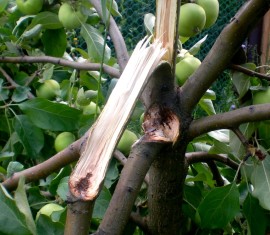
In cold climates, apple trees need to be properly prepared for winter. If the trunks aren't wrapped and protected from frost, cracks may appear. This is caused by moisture, which is constantly present in the wood fibers and expands when it freezes. This leads to damage and rupture of the bark fibers and capillaries in the trunk.
Freezing of rhizomes often leads to drying out of apple trees.
This can also happen if the tree is growing in unsuitable soil. Initially, individual branches will begin to wither and die, followed by leaf fall. Apple trees are not suited to clay and sandy soils. They are also not recommended for planting in soil containing a lot of crushed rock or gravel.
Excessive soil moisture and close proximity to groundwater can damage the roots of apple trees. This reduces the oxygen supply to the roots. High humidity can lead to root rot, severe weakening of the plant, almost complete stunting of growth, and rapid leaf loss.
When planting an apple tree, it's important to decide in advance which trees and shrubs it will be planted with. Root competition can easily lead to the trees drying out and stunting their growth.
In mature apple trees, the root system is approximately twice as wide as the crown. If there are other vigorous trees nearby, the apple tree will inevitably suffer from a lack of nutrients.Weeds and grass should be regularly thinned or completely removed from the root area. Couch grass or timothy grass are particularly harmful to apple trees and should be removed.
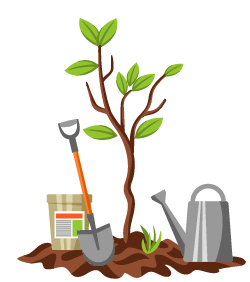
Timing of seedling planting is crucial. Planting is planned for fall or spring, with the hole dug well in advance for the winter. Trees planted in the summer usually don't survive; their branches quickly turn yellow.
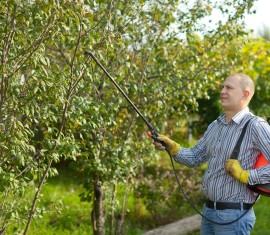
Increased care and the introduction of chemicals in large quantities are also harmful to apple trees – this is fraught with danger. burns different parts of the plant. Frequent pesticide treatments should not be carried out; this will not be beneficial. Aggressive substances damage apple trees: foliage, trunk, bark, and shoots.
Incorrect pruning weakens trees. Cuts must be treated properly, otherwise the tree may become infected, increasing the risk of fungal attack.
Partial or complete drying of apple trees can also occur if grafting is performed incorrectly. It's important to understand all the nuances of this process before attempting it yourself.
Foliage drying can occur during prolonged hot weather and dry air. The impact of this natural factor is especially noticeable when trees are still young. Dry air only harms the foliage; branches are unaffected.
Diseases and pests
Pests and various diseases often attack trees in orchards, causing damage to fruit crops. Apple trees have plenty of enemies in this category. They are especially dangerous for young trees that have not yet established themselves. Older trees are also at increased risk.
In addition to drying out leaves and branches, pests and diseases can be identified by a number of other signs.
- Apple trees often suffer from cytosporosisThe disease primarily affects mature and older trees with thick bark on the trunk and branches. Drying is usually observed in isolated areas. Additionally, dark, bump-like formations appear on the fruit.When young trees are affected cytosporosis It's difficult to detect over a long period of time. The disease can lead to plant death if the tissue is severely affected.
- Apple trees also suffer from black crayfish – a serious disease that cannot be cured. You can prolong the life of your apple tree by promptly removing affected parts.
- Quite often, fruit crops are affected by fungal diseases, which develop especially actively during the flowering stage.
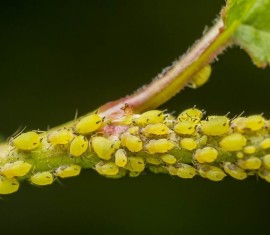
Insect pests can also cause serious damage to trees. These include:
- gluttonous aphids;
- caterpillars;
- leaf rollers;
- ticks;
- May beetle larvae.
Malnutrition
Nutrient deficiencies weaken fruit crops. This can be due to soil conditions, weak fertilizers, or untimely fertilizer application. Problems also arise when the wrong nutrients are added to the soil for the apple tree.
This variety of fruit tree reacts negatively to deficiencies of sulfur, magnesium, and iron. Young plants especially need the latter for development. Dissolved mineral complexes should be applied several times per season. Ammonia-based fertilizers help strengthen the fruit tree's immune system. Nitrogen-based fertilizers stimulate root development. A combination of root and foliar feeding is recommended.
Apple trees in the area need to be properly cared for to prevent them from drying out.