
Stark Earliest Apple Tree: Variety Features and Care
| Color | Reds |
|---|---|
| Ripening season | Summer |
| Size of apples | Average |
| Taste | Sweet and sour |
| Crown type | Tall tree |
| Shelf life | Low shelf life |
| Application | Fresh , For recycling |
| Winter hardiness | Low winter hardiness |
| Fruiting age | Up to 5 years |
 History of origin and regions of growth
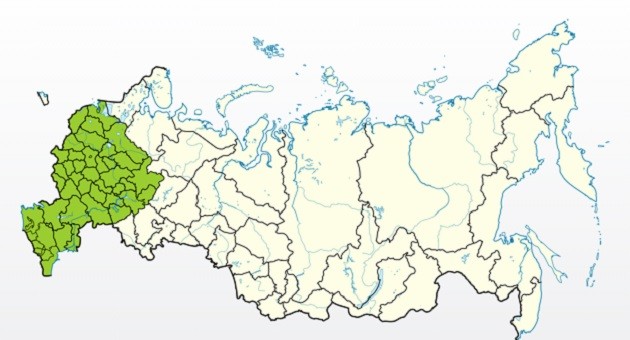
Growing regions
- Middle zone.
- Moscow region.
- Crimea.
- North Caucasus.
Origin
The exact origins of this apple variety are unknown. It came to us from the United States, where it was discovered in one of the orchards of numerous Georgia farms in 1938. After that, the apple tree traveled a long way before reaching our country.
Stark Early is considered an ancient, early-ripening variety. It is not listed in the State Register of Breeding Achievements and has no official zoning. However, some gardeners still enjoy growing it today.
Content
Description of the Stark Early variety
 This medium-sized apple tree has many advantages and disadvantages, like any other. It's a good idea to familiarize yourself with them before planting, so they don't come as surprises later, often unpleasant ones. Erliest ripens very early, making it the variety that will produce delicious, aromatic, beautiful, and juicy fruits early. They don't all ripen at the same time, allowing time for harvesting.
The tree doesn't require much care, but it responds well to it, producing a profusion of fruit. The variety's winter hardiness is average, so it should be grown with care and covered for the winter. The tree's crown is vigorous, so pruning will require some effort, and fruiting may be intermittent. This variety is recommended for individual cultivation in home gardens.
Apples: What do they look like?
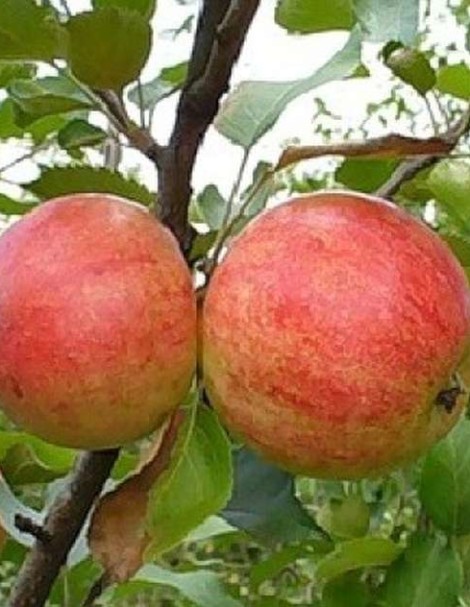
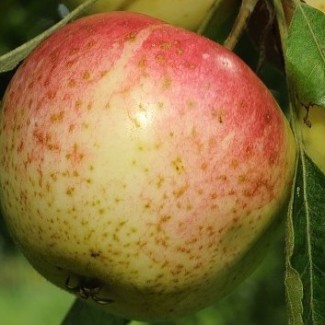
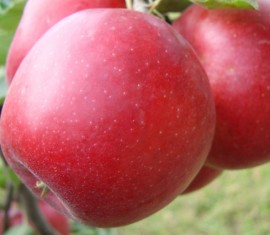
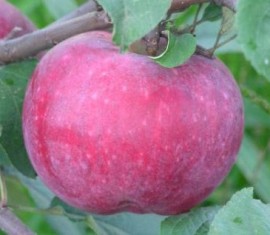
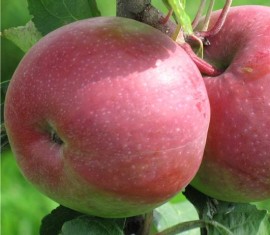
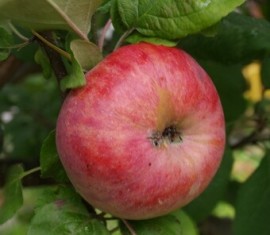
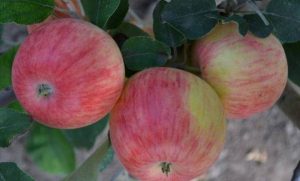 Fruits can be smaller than average, average, or larger than average in size, depending largely on care, proper pruning, and weather. They grow to 120-160 grams. The shape of the fruit is round, slightly flattened along the central axis, and can be conical or turnip-shaped. The surface is smooth, with strongly rounded ribs visible only at the calyx; there is no lateral suture. They are generally symmetrical and uniform.
The skin is firm, elastic, medium to thick, glossy, and shiny. The base color is green or greenish-yellow, which may turn golden as it ripens. The blush is translucent, carmine-red, red-orange, and sometimes darker, reddish-brown or brownish-brown. It is mottled and diffuse, covering 45-75% of the surface, and located on the sunny side. Subcutaneous dots are large, whitish, and clearly visible, and there are many of them. Professionals recommend assessing the chemical composition based on the following indicators:
- P-active substances (catechins) – 324 milligrams.
- Ascorbic acid (vitamin C) – 8.9 milligrams.
- Fructose (total sugars) – 11.4%.
- Pectins – 15.3%.
- Titratable acids – 0.67%.
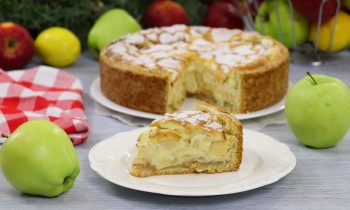
The fruit has dense, fine-grained, crisp, very juicy, crisp, and refreshing flesh. It has a slightly yellowish or creamy hue and may have fine green or yellow-green veins. The flavor is sweet and sour, pleasant, with a significant sweetness after 10 days of storage. It is considered balanced and harmonious. It scores 4.2 points on a 5-point scale. Fruits of any type are suitable for processing.
Stark Early Apple Tree: Characteristics
Crown and root system
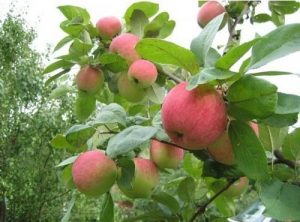 Trees are considered to be medium-sized or tall. Their height without formative pruning is 5-6 meters maximum.The crown is rounded or rounded-oval, sometimes broadly oval, becoming more spreading with age, sometimes even drooping and weeping. Branches extend from the central core at almost a right angle; they are thick, straight, and directed upward, with sparse pubescence and covered with brown, tan-brown, or reddish-brown bark. Fruiting is mixed (rings, fruiting twigs, and spears).
The leaves have an unusual obovate shape, sometimes elongated or elliptical. Their tips are rounded, and the base tapers toward the petiole, often having an asymmetrical shape. The edges of the blade are serrated, slightly jagged, the surface is green and matte, and the ribbing is delicate. The root system is fibrous, but sometimes, depending on the rootstock, it can be taproot. It is branched, often with numerous small, thin branches, and is superficial.
Productivity and pollination
The variety is called highly productive, although its performance is actually average.
From one adult tree Stark During the season, Erliest can harvest approximately 85-110 kilograms of tasty, aromatic apples in the most favorable years in terms of weather conditions..
The apple tree is relatively self-sterile, so some fruit may set even without pollinators. However, a normal harvest is unlikely without them. It's common to plant Stark near other varieties that bloom at the same time.
Winter hardiness and disease resistance
This variety can't be called winter-hardy or even resistant to low temperatures. It struggles in winters where temperatures drop to -22-25°C, even briefly. Prolonged exposure to cold can cause trees to sustain damage that prevents further growth and ultimately leads to death. Even in moderate climates, every effort must be made to properly prepare trunks for winter and protect them during frosts.
Brown spot and powdery mildew almost never affects plants, but scab can be a real unpleasant surprise. It often attacks trees, not only the foliage but also the fruit, which must be discarded, as it's undesirable to eat. Even minimally elevated humidity can lead to fungal growth. Preventative treatments should be carried out regularly and promptly, and the trees should also be sprayed with insecticides to control insect pests.
Rootstocks and subspecies
It's believed that this variety has several half-forgotten subspecies in its native land, but they are not cultivated here. However, it can be grown on various rootstocks, the most popular of which is the dwarf variety. The resulting trunks are more compact, neat, and easier to care for, while the fruit size increases significantly. However, the winter hardiness of such trees is further reduced, and they cannot be grown everywhere, even in regions where they are permitted.
Growing Stark Earlyst
 Landing
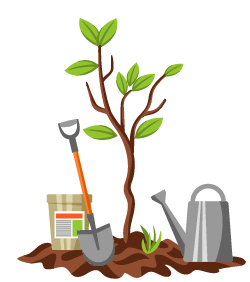 Landing
Basic conditions
- The location must be well lit by the sun; in the shade the variety does not grow or grows weak, stunted, does not bloom and does not bear fruit.
- To minimize the risk of fungal growth, the crowns must be well ventilated, so Erliest should not be planted in areas completely windless. However, drafts can also kill the tree, so it's important to maintain a balance.
- The planting site is cleared of debris and leveled beforehand. If the groundwater level is close to the surface, a special soil mound should be created.
- The season before planting, it's customary to dig holes 70-80 centimeters deep and up to 90-100 centimeters in diameter. Fertilizer mixed with the topsoil (fertile) is placed at the bottom. Then, the entire hole is covered with drainage material (vermiculite, broken bricks, gravel), filled with plenty of water (at least 2-3 buckets), and left uncovered.
- Before planting, inspect the rhizome and trim off any damaged, dried, or diseased shoots. Afterward, soak the rhizome in water for 5-8 hours to absorb moisture and revive it.
- The root collar is left above the surface if it is necessary to preserve the properties of the rootstock.
- Leave enough space between trees so that they don't interfere with each other when fully grown. A vegetative rootstock will require 4-5 meters, while a dwarf rootstock will require 3-4 meters.
- Stakes or planks are driven into the holes to tie the young seedlings to. If the tree is positioned on the south side, they will not only provide reliable support but also provide additional protection from frost in the winter.
- In the center of the hole, rake the drainage into a pile, place the apple tree on it, spreading out the roots, sprinkle with soil, tamp it down, water it with 45-50 liters of water, and mulch the surface to retain moisture.
After planting, the sapling is tied to a stake. Strips of fabric are ideal for this, as they are less damaging to the bark when rubbed, but mailing twine or clothesline can also be used. Tie the trunk and stake in a figure-eight (infinity sign) pattern to reduce the tree's friction against the hard support material in windy conditions.
Landing dates
The best time to plant this variety is spring, when the soil has thawed after the winter frosts and the risk of frost has completely passed. It will hardly survive if planted in the fall 2-3 weeks before frost; choosing the right time is difficult, and even guessing can be very difficult in our country's variable climate. Seedlings with closed root systems can be transplanted into the garden at any time, even in midsummer.
Tree care
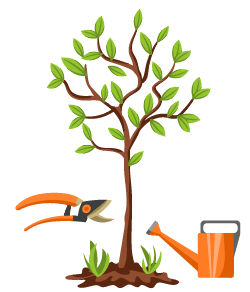 Tree care
Protection from frost and pests
It will take some effort to keep the trees from dying in the winter cold. Spruce branches, straw, hay, and dry leaves are scattered over the root zone, or they are covered with soil. Trunks are wrapped with any available materials, from roofing felt and tar paper to old women's tights. Small trunks can be carefully wrapped using a tent-like technique, from the rootstock to the very top. But most importantly, up to the middle. August or at the beginning of September, completely stop applying moisture: watering, irrigation, sprinkling.
Before covering trees for the winter, clean the trunks with a stiff brush to remove insects. Whitewash them to a height of 1-1.3 meters with ordinary lime twice a year, in early spring and late fall. To repel rodents that chew the bark and twigs, coat the trees with fuel oil, grease, or rendered animal fat.
Loosening the soil, watering: proper agricultural technology
Be sure to dig around the tree twice a year, removing weeds, excessive root suckers, and shoots from other plants. In between, it's a good idea to go around the trunk with a hoe to improve aeration, as no apple tree likes compacted, hard soil. Afterward glaze The next day, the soil must be stirred up, otherwise it can easily reach the hardness of granite.
In dry times it is necessary water trees, especially young ones. Water should be applied 2-4 times a month for young seedlings and at least 6-8 times per season for mature trees. It's a good idea to set up a drip irrigation system. watering Or sprinkler irrigation, if possible. It's a good idea to add fertilizer along with the water, as this will ensure better absorption.
Pruning: simple crown shaping
Erliest's crown is very prone to becoming overgrown, so it requires serious attention. It's customary to shape it starting the first year after planting in open ground. Prune back the central shoot by about a third, as well as all but two or three lateral shoots. Subsequently, carefully monitor branches to ensure they don't protrude vertically upwards, and trim any excess branches annually in the fall. The optimal form for this variety is a sparse, tiered form.
In spring and fall, all dry, diseased, or broken shoots should be pruned. Many of these can fail, as they often can't withstand the strain of a bountiful harvest or winter snow. Rejuvenation can begin in the 10th to 14th year, pruning 2-4 mature branches to allow new growth to develop.
Pollinator varieties
- Vista Bella.
- Melba.
- Antonovka.
- Welsey.
- Quinti.
- Cinnamon striped.
- Folder.
Reproduction
- Layers.
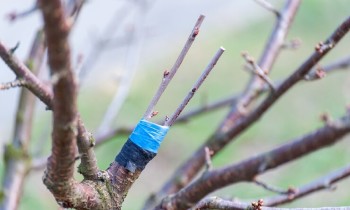
- Grafting cuttings.
- Clones.
- Growing from seeds.
Diseases and pests
- Scab.
- Pit bitterness.
- Green aphid.
- Flower beetle.
- Scale insect.
- Codling moth.
- Hawthorn.
Ripening and fruiting of Stark Erliest
The beginning of fruiting
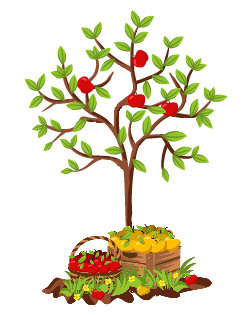 The beginning of fruiting
This variety is considered early-bearing and fast-growing. As early as the fourth or fifth year, the tree can begin harvesting juicy and beautiful fruits. In the first few years, there will only be a couple dozen, but that's definitely enough to sample.
Flowering time
Like most summer apple trees, this variety also begins to open its buds quite early. By April, large, pink and white-pink fragrant flowers begin to cover the branches. They don't open all at once, but rather one after another, making it seem as if the tree has been blooming for an entire month. In reality, the process lasts no more than 10-14 days, during which time the wind and bees do their work.
Fruiting and growth
The tree grows at a super-fast pace at first. It can reach approximately 50-65 centimeters per year, which is quite a significant amount. After fruiting begins, the growth rate slows slightly, but not significantly, so Erliest reaches its peak quickly. By 8-10 years, you can expect full fruiting, which may become less frequent over the years.
The fruits ripen very early, as early as mid-July or towards the end of the month. By August, they should usually be picked, processed, or stored. Apples ripen in waves, like flowers blooming, and when they're overripe, they fall to the ground. It's easy to miss the ripening period, so be careful. They can be stored for a maximum of 3-4 weeks, after which they lose their juiciness, texture, and flavor, becoming soft and sour.
Top dressing
- Superphosphate.
- Ammonium nitrate.
- Manure.
- Compost.
- Humus.
- Chicken or pigeon droppings.
- Mineral complexes.
What to do if it doesn't bloom or bear fruit
- Check for the presence of pests or diseases.
- Increase watering.
- Feed.
- Transplant.
Why do apples fall?
- Natural weather conditions (wind, rain, hurricane, hail).
- Pest damage.
- Diseases.
- Overripening.
Share your own experience with the Stark Early apple variety so that any gardener can learn about it before planting and achieve maximum results.

Comments
The Opt-khoz website states that the variety is winter-hardy.
Winter hardiness is considered high in southern regions, but this depends largely on the growing region. In Crimea, an apple tree would be considered resilient, while in the Urals, it would freeze in its first winter.